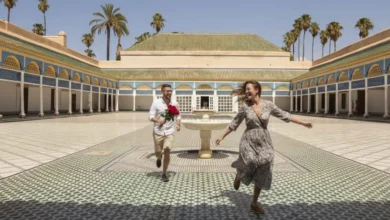
The moment you step through the unassuming wooden door of a Moroccan riad, everything changes. The noise fades. The chaos of the medina dissolves. And suddenly, you’re standing in a sun-drenched courtyard where a fountain whispers and orange trees perfume the air.
After years of travel journalism in Morocco, I’ve come to understand that a riad isn’t simply a place to sleep—it’s a gateway into Moroccan culture itself. Whether you’re planning your first trip or returning for another adventure, choosing the right riad can transform a good holiday into an unforgettable one.
This guide covers everything you need to know: what a riad actually is, where to find the best ones, what to expect, and how to choose wisely.
Table of Contents
What Is a Riad, Exactly?
The Word Behind the Walls
If you’ve ever wondered “what is a riad in Marrakech?” or anywhere else in Morocco, here’s the simple answer: the word “riad” comes from the Arabic “ryad,” meaning garden. Traditionally, it refers to a house built around an interior courtyard—a private oasis hidden behind plain exterior walls.
This architectural style traces its roots to Persian garden design, which spread across the Islamic world after the 7th century. But Morocco made it something uniquely its own, adapting the concept to local climate conditions and cultural preferences for privacy and family life.
The Philosophy of Turning Inward
What makes a riad architecturally fascinating is its complete inward orientation. From the street, you see nothing—perhaps just a modest door in a mud-brick wall. But cross that threshold, and you enter a different world: tiled fountains, carved plaster, shafts of sunlight falling on lush greenery.
This contrast isn’t accidental. It embodies a philosophy that sees the home as a sanctuary from the outside world—a miniature paradise on earth, according to Islamic tradition. The thick walls keep out heat and noise. The central courtyard channels cooling breezes. Every element serves both beauty and function.
The Craftsmanship You’ll See
Centuries-Old Artistry
Staying in a traditional riad means immersing yourself in Moroccan decorative arts. Here’s what to look for:
Zellige: The geometric mosaic tilework that defines Moroccan aesthetics. Each tiny piece is hand-cut and assembled into intricate patterns covering floors, fountains, and walls.
Carved Plaster (Gebs): Delicate stucco work featuring floral motifs, geometric designs, and Arabic calligraphy adorning walls, ceilings, and doorways.
Mashrabiya: Wooden lattice screens that filter light into mesmerizing patterns while maintaining privacy.
Cedar Wood: Often carved with traditional motifs, used for ceilings, doors, and furniture, filling rooms with a subtle, ancient fragrance.
Climate-Smart Design
A riad isn’t just beautiful—it’s remarkably practical. Thick earthen walls provide excellent thermal mass, keeping interiors cool in summer and warm in winter. The central fountain and plants create natural evaporative cooling. The enclosed design blocks street noise entirely.
This is sustainable architecture developed centuries before anyone used the term—and staying in one remains more comfortable than many modern buildings.
Marrakech: The Heart of Riad Culture
Why Marrakech Leads the Way
When it comes to riads in Marrakech, the Red City stands alone. With over a thousand converted traditional homes now welcoming guests, Marrakech offers the world’s greatest concentration and variety of riad accommodation.
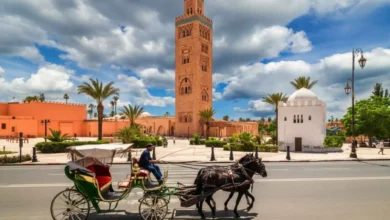
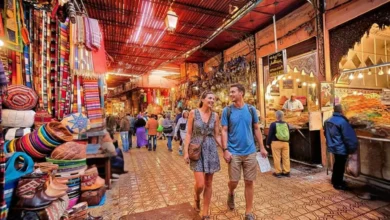
Most Marrakech riads nestle within the ancient medina walls, steps from Jemaa el-Fnaa square and the labyrinthine souks. This location plunges you directly into authentic Moroccan life—step outside your door and you’re immediately lost in a maze of fragrant alleyways alive with color and commerce.
The Guardian described it perfectly: staying in “an exquisitely restored, homely riad in the heart of Marrakech’s medina, garlanded with trailing roses and bougainvillea” is an experience almost impossible not to enjoy.
Marrakech Souks: Where Getting Lost Is Part of the Adventure
Riads Worth Booking in Marrakech
Based on verified guest reviews across multiple platforms, here are some top rated riads in Marrakech across different budgets:
For Those Seeking Luxury:
La Sultana Marrakech: One of the finest luxury riads in Marrakech, this property near the Saadian Tombs comprises five interconnected riads. Expect a world-class spa, traditional hammam, and rooftop terrace with Atlas Mountain views. Guests describe it as “a royal experience” with extraordinary attention to detail. (Rating: 9.4/10)
Riad Kheirredine: A 10-minute walk from Jemaa el-Fnaa, this luxury riad Marrakech offers a unique touch: complimentary phones with local SIM cards to help you navigate. Features include a pool and spacious rooftop terrace. One guest noted: “The staff went above and beyond—we felt completely at home.” (Rating: 9.9/10)
Villa des Orangers: This elegant property blends Moroccan and Andalusian styles amid fragrant citrus gardens. Its location minutes from Koutoubia Mosque makes it ideal for exploring.
IZZA Marrakech: Among the newest luxury riads Marrakech offers, IZZA connects seven riads through three courtyards—unusually spacious for the medina. Its design pays tribute to legendary designer Bill Willis.
For Quality Without the Premium Price:
Riad Yasmine: Famous on social media for its bohemian charm and beautiful courtyard pool, this French-owned property offers just seven rooms for an intimate atmosphere. A genuinely coolest riads in Marrakech contender.
Riad Africa: Excellent value combining two plunge pools with warm hospitality. Also hosts renowned cooking classes led by Chef Fatim-Zahra, who brings over 30 years of experience.
Riad Goloboy: Widely considered one of the most aesthetically stunning riads in Marrakech, with exceptional attention to decorative detail and color.
Riad Spice: Perfectly positioned between several neighborhoods, quiet yet close to everything. Features a lovely terrace and delicious breakfast. (Rating: 8.9/10)
Riad BE Marrakech: One of the most photographed riads in the city, Riad Be Marrakech combines traditional and contemporary design with a courtyard pool surrounded by lush greenery—a genuine hidden gem.
For Budget-Conscious Travelers:
Riad Les Yeux Bleus: Just 10 minutes’ walk from Jemaa el-Fnaa, offering air-conditioned rooms, Turkish bath, and rooftop terrace with city views at remarkably reasonable rates.
Riad Dar Yassine: Central location with consistently high ratings for its delicious breakfast and friendly staff. (Rating: 9.6/10)
Looking for a Marrakech Riad with Pool?
If a Marrakech riad with pool tops your wish list, consider these options:
Palais Sebban: A luxury riad Marrakech featuring a pool large enough for actual swimming, plus spa with traditional hammam and jacuzzi. Conveniently located near Jemaa el-Fnaa.
Ksar Kasbah: A modern take on tradition in the Marrakech riad Kasbah area, known for spectacular sunset views from its expansive terrace and interior courtyard pool.
Be Marrakech: As mentioned, this Instagram-favorite combines traditional patterns with contemporary comfort, its pool nestled within an enchanting botanical garden.
What Makes a Riad in Marrakech Medina Special?
A riad Marrakech medina location offers the deepest cultural immersion. Yes, navigating the medina’s alleys can initially feel overwhelming, but that’s part of the magic. Reuters captured this essence, describing how “taking tea at the elegant Riad Enija with its verdant courtyard, antiques and mosaic columns” epitomizes the ideal Marrakech experience.
Guests consistently report that staying in a riad in Marrakech surpasses conventional hotels. As one traveler put it: “I stayed exclusively in riads during my visit and never regretted it. The staff were wonderful and breakfast was incredible.” Another added: “A riad gives you a genuine window into stunning Moroccan architecture. I wouldn’t dream of visiting without staying in one.”
What You’ll Actually Do During Your Stay
Moroccan Cooking Classes
Among the most popular experiences for riad guests, cooking workshops offer an ideal introduction to Moroccan culinary culture. Most begin with a guided market tour to select fresh ingredients before returning to the kitchen to master tagine, couscous, pastilla, and harira.
La Maison Arabe has hosted acclaimed cooking workshops for decades. Guests describe them as “fun, professional, and warm,” culminating in enjoying everything you’ve prepared.
Riad Africa runs daily poolside cooking classes with Chef Fatim-Zahra leading small groups (maximum 10) on journeys starting at the Mellah market for fresh ingredients. One participant called it “one of the highlights of our entire Marrakech trip.”
Riad Dar Zaman offers comprehensive culinary experiences beginning with neighborhood tours including the communal bread oven (ferran) where locals bake daily, then the hammam, before shopping and cooking. Participants consistently rate it “the best cooking class we’ve ever taken.”
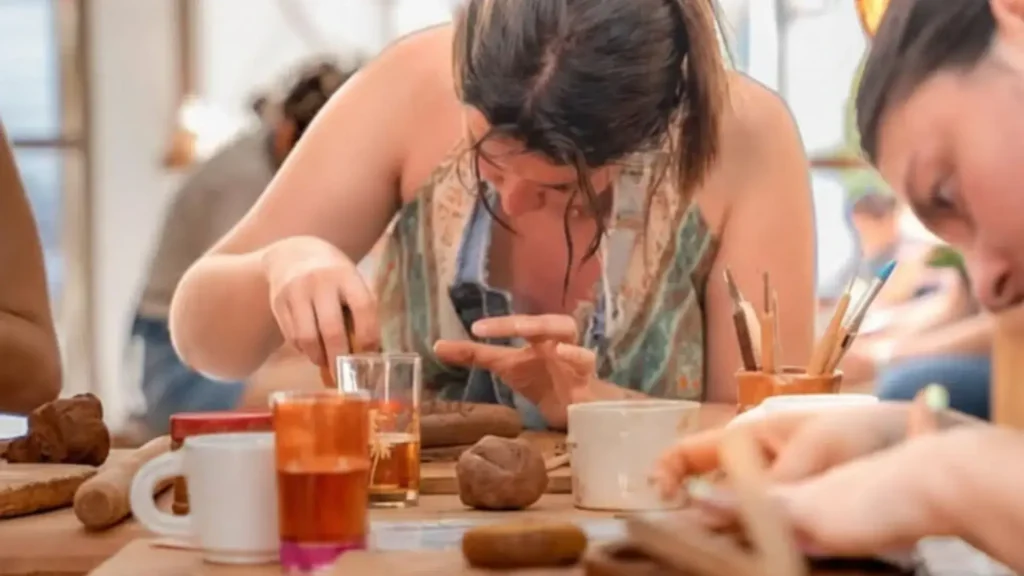
Traditional Craft Workshops
Zellige Workshops: Learn the centuries-old art of Moroccan mosaic from master craftsmen (maâlems). You’ll draw lines on tiles, cut them with small hammers, and assemble geometric designs. As one participant observed: “After this workshop, I’ll never look at a zellige table or wall the same way again.” Available in Marrakech and Fes, typically lasting 3-5 hours, and you take your creation home.
Carpet Weaving: From Marrakech to desert regions near M’hamid, women’s cooperatives preserve this heritage while teaching visitors. Learn to select wool, spin, dye with natural pigments, and weave. One visitor described it as “a wonderful opportunity to understand daily life in a rural Moroccan village and experience something genuinely cultural.”
Pottery: In Fes and other regions, learn traditional ceramics from scratch—shaping clay on the wheel through decoration and glazing. Near Zagora, the Tamegroute cooperative produces distinctive green pottery using unique local techniques.
Food and Tea Experiences
Staying in a riad means waking to traditional Moroccan breakfast: msemen and baghrir (Moroccan pancakes), local honey, olive oil, cheese, seasonal fruits, fresh juices, and of course, mint tea.
Many riads also offer home-cooked dinners by advance request—authentic traditional dishes you won’t find in tourist restaurants. As one guest noted: “Dinner at our riad was among the best meals of our trip—tagine prepared slowly and with love.”
Traditional Hammam
Most upscale riads include traditional hammam (bathhouse) facilities where you can experience Moroccan bathing rituals: steam, black soap (savon beldi), exfoliation with rough gloves (kessa), then massage with argan oil. It’s as much a spiritual cleansing as physical.
Organized Tours
Most riads help arrange various excursions: day trips to the Atlas Mountains or Ourika Valley, guided medina tours, or desert adventures. One visitor noted: “The staff helped us book an Atlas Mountain trip that became one of our best days.”
Riads Beyond Marrakech
While Marrakech dominates riad culture in most travelers’ minds, this architectural tradition flourishes throughout Morocco. Here’s where else you’ll find exceptional riads:
Fes
Morocco’s oldest imperial city, with its UNESCO-listed medina (Fes el-Bali) ranking among the world’s largest car-free urban areas. Fes riads offer unmatched historical depth—many occupy buildings several centuries old. Zellige, plaster carving, and woodwork reach their highest expression here, as Fes remains the historic center of these crafts. Notable options include Riad Fes (a Relais & Châteaux property), Dar Al Assad, and Karawan Riad. Prices typically run lower than Marrakech for comparable architectural quality.
Essaouira
This coastal city offers an entirely different riad experience, blending Moroccan style with Andalusian and Portuguese influences. The atmosphere feels more relaxed and breezy, Atlantic winds giving riads a refreshing character. Ideal for art lovers, musicians, and water sports enthusiasts.
Read also: Essaouira Wins “Best Creative Living Heritage Destination” at 13th World Creative Tourism Awards
Rabat
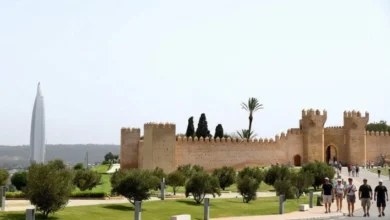
The capital’s riads combine tradition with modernity, many restored from historic palaces. Its UNESCO-listed medina provides easy access to landmarks like Kasbah of the Udayas, Hassan Tower, and the Royal Palace. Standout options include Riad Kalaa (dating to the Almoravid dynasty) and Riad Zyo (featuring a courtyard plunge pool).
Tangier
Where Europe meets Africa across the Strait of Gibraltar, Tangier’s riads reflect this unique fusion in their decor and atmosphere. Many overlook the sea or port, with terraces offering spectacular views. The medina and kasbah harbor charming options like Riad Sultana and Dar Nakhla Naciria.
Chefchaouen
In the Rif Mountains, the “Blue Pearl” offers a unique riad experience amid walls painted in mesmerizing shades of blue. Riads here reflect the town’s artistic, peaceful spirit, with stunning mountain views. Notable choices include Lina Ryad & Spa (with indoor pool and hammam), Dar Echchaouen (with garden and outdoor pool), and Riad Cherifa (blending Moroccan and Andalusian design).
Meknes
Another UNESCO-listed imperial city, Meknes offers less crowded, more authentic riads at very reasonable prices. Its ideal location between Fes and Rabat makes it a perfect stopover.
Ouarzazate and the Desert
In southern Morocco, riads transform into desert lodges preserving traditional style while adapting to oasis and Saharan environments. In Ouarzazate (Morocco’s Hollywood gateway), the Draa Valley, and Merzouga near the Erg Chebbi dunes, you’ll find riads and traditional kasbahs offering entirely different experiences. Some perch at the desert’s edge, offering camel treks and nights beneath the stars. Riad Ma Bonne Etoile near M’hamid hosts carpet weaving workshops with a local women’s cooperative.
Tetouan
Tetouan preserves distinctive Andalusian character, its riads reflecting this heritage through white walls, narrow alleys, and mosaic fountains. The city also houses the Royal School of Traditional Crafts.
Asilah
A small coastal town in northern Morocco, famous for walls decorated with artistic murals and its annual cultural festival. Its riads offer coastal tranquility with easy access to Tangier.
El Jadida
This coastal city with Portuguese fortifications (the Mazagan) hosts riads blending Moroccan and European heritage in a unique setting.
The Bottom Line: Wherever you travel in Morocco, riads await. Choose your city based on your interests—history and crafts in Fes, beach and arts in Essaouira, blue mountains in Chefchaouen, or desert adventure in the south—and you’ll find a riad ready to welcome you.
Before You Book: Practical Advice
How to Choose Well
Location Matters: Riads near major landmarks offer convenience but potentially more noise. If you prefer complete tranquility, seek accommodation in quieter residential quarters. One experienced traveler advises: “Consider riads in the southern part of the old city—easier to navigate than the most crowded areas.”
Don’t Trust Photos Alone: Some visitors warn that promotional images may be enhanced beyond reality. Seek authentic guest photos and read recent reviews—not just overall ratings.
Define Your Priorities: Do you need air conditioning? A pool? Breakfast included? Clarify before booking. Very low-priced riads may mean fewer amenities.
Book Your First Night in Advance: Especially if it’s your first Morocco visit. Navigating medina alleys after dark can challenge newcomers. Ask your riad to arrange airport pickup.
What Will It Cost?
Private rooms in mid-range riads typically run $30-60 per night, usually including traditional Moroccan breakfast. Luxury riads can exceed $200 and reach over $1,000 nightly for royal-level properties like Royal Mansour. Dormitory beds in traditional hostels may cost as little as $10.
A Few Etiquette Notes
Tipping: Gratuities form part of Moroccan service culture. If staff provide exceptional service, a tip expressing your appreciation is always welcome.
Dress: Morocco is an open, tolerant country, especially in major tourist cities like Marrakech where you’ll face no dress restrictions in the medina or public areas. Modest dress is only advisable when visiting mosques, shrines, religious sites, or remote rural areas off typical tourist routes.
Quiet Hours: Remember that riads are traditional homes converted to boutique hotels. Maintain peaceful atmospheres out of respect for fellow guests.
Things to Keep in Mind
In the Alleys
While riads provide safe, tranquil havens, navigating surrounding medina alleys requires basic awareness:
Unofficial Guides: People may offer to help you find your way. If you don’t need assistance, decline politely but firmly.
Transportation: Insist on taxi meters or agree on fares beforehand. Ride-sharing apps like InDrive and Uber offer reliable alternatives where available.
Shopping: Bargaining is cultural tradition, but never feel pressured to buy. A confident, smiling “no thank you” works perfectly.
When Booking
Most guest experiences prove overwhelmingly positive, but booking through reputable platforms (like Booking.com or Airbnb) that offer consumer protection remains wise. Read recent reviews—not just overall scores—and contact riads directly with any questions.
Final Thoughts
Look, I can’t promise that every riad you book will be perfect—some are better than others, and sometimes it comes down to luck. But I can tell you this: staying in a riad gives you something no hotel ever will—a real sense of place.
Book smart, read the reviews, and don’t expect perfection. But do expect something different.