Back in 2019, something happened that completely changed my perspective on tour guides. A friend called asking for help navigating university registration in Fes, my hometown. After we finished, her companion—a young woman named Khadija—asked if I could show them around the old medina. “Sure,” I thought. “I was born here. I know every corner.”
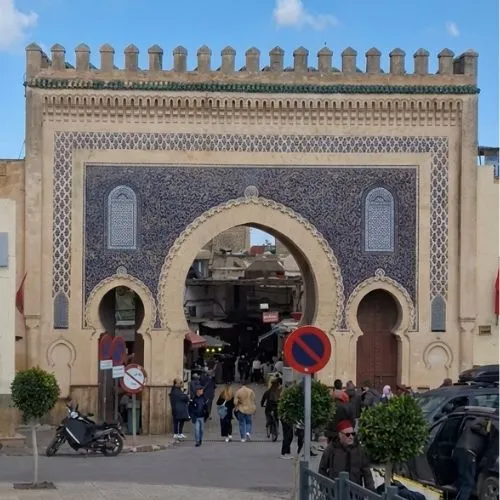
We started at Bab Boujloud, the famous blue gate. I began sharing historical facts, feeling confident. Then Khadija pointed to a narrow alley I’d never entered and said, “Let’s go this way.”
I hesitated. “There’s nothing down there. Just residential lanes.”
She smiled. “Follow me.”
What happened next humbled me. Khadija, it turned out, was a licensed tour guide. For the next three hours, she led me through my own city—showing me hidden fountains, explaining why certain doors were painted specific colors, revealing the stories behind windows I’d walked past my entire life. She knew when each hammam was built, which dynasty constructed each riad, and how women once observed the entire neighborhood through cleverly designed lattice screens.
That day, I understood something crucial: knowing a place and truly understanding it are entirely different things.
This memory resurfaced as I prepared this guide on Morocco guided tours. If you’re planning a trip to Morocco and wondering whether you actually need a guide, I’m here to give you the unfiltered truth—along with practical advice on finding legitimate guides and avoiding the scammers who prey on uninformed tourists.
Table of Contents
Why You Actually Need a Guide in Morocco
Let me be direct: Morocco is absolutely a country you can explore independently in many areas. But certain places will leave you genuinely lost without a local who knows the territory.
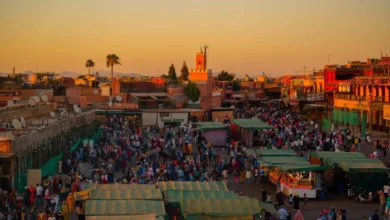
The Fes medina, for instance, is the world’s largest car-free urban zone—over 9,000 interconnected alleyways where Google Maps essentially gives up. Marrakech’s old city isn’t much easier. What starts as a casual stroll can quickly become an exhausting maze of dead ends and confusing turns.
This is where a professional guide proves invaluable. They don’t just show you locations—they unlock over a thousand years of history and stories you won’t find in any guidebook.
A good local guide knows where artisans craft the finest Moroccan leather, where to find authentic argan oil (not the diluted tourist version), and how to negotiate prices without getting ripped off. They’re your bridge to authentic Moroccan culture—introducing you to Amazigh families who’ll invite you for mint tea, and leading you to tiny restaurants where locals actually eat, where the tagine tastes like it’s supposed to.
Types of Guided Tours Morocco Offers
Before selecting a guide, understand your options:
Private Tours
Maximum flexibility. The guide works exclusively for you and your group, allowing you to set the pace, ask unlimited questions, and stop wherever you want. Costs run higher than group options, but the personalized experience often justifies the premium.
Group Tours
The budget-friendly choice. You’ll travel with other visitors who share similar interests. Small groups of eight or fewer offer a more intimate experience than larger crowds. Bonus: you’ll meet fellow travelers from around the world.
City Tours
Perfect for limited time or single-city visits. These half-day or full-day explorations focus on major landmarks and traditional markets. Duration ranges from three hours to a full day.
Desert and Mountain Expeditions
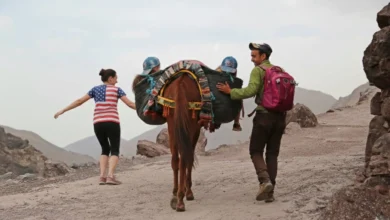
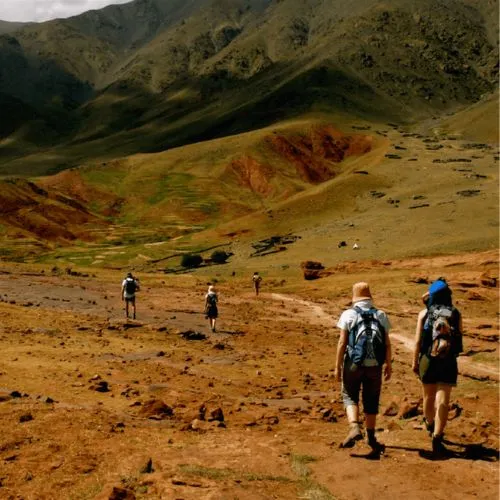
Overnight Sahara trips deliver unforgettable experiences—camel rides, sunset views over Merzouga’s golden dunes, and sleeping under stars in desert camps. Atlas Mountain treks require specialized mountain guides, especially if you’re attempting Toubkal or other serious peaks.
How to Identify a Licensed Morocco Tour Guide
Here’s the critical information that separates a great trip from a frustrating one: distinguishing between official guides licensed by Morocco’s Ministry of Tourism and the “faux guides” who operate illegally.
Signs of a Legitimate Guide
Licensed guides carry official ID cards issued by the Ministry of Tourism, featuring their photo and license number. Never hesitate to ask to see this credential before agreeing to any arrangement.
Legitimate guides walk confidently beside you—not ahead of you. Here’s why: Moroccan law prohibits unlicensed individuals from accompanying tourists in historic medinas. Tourist police actively patrol these areas. If someone offering guide services prefers walking several steps ahead or avoids certain passages, that’s a major red flag—they’re trying to evade detection.
Official guides undergo intensive training covering Moroccan history, Islamic architecture, geography, and local culture, plus fluency in at least one foreign language. This investment shows in their depth of knowledge and ability to answer your questions accurately.
You can verify licensed guides through the Moroccan Ministry of Tourism’s official website.
Signs of a Fake Guide
Fake guides typically approach in public squares, near train stations, or in narrow alleys, offering help with excessive friendliness. They’re often young men in their twenties or teenagers who start by asking about your destination or hotel.
Common tactics include claiming to be university students wanting to practice English, or pretending they work at your hotel and were sent to meet you. They might also tell you your booked accommodation has a bad reputation and they know somewhere better—a classic manipulation that experienced travelers recognize immediately.
Here’s my advice: if someone approaches offering “the best prices” on carpets, leather, or spices, understand they’re almost certainly earning commission from whatever shop they lead you to. That commission gets added to your purchase price.
Practical Tips for Finding the Best Guided Tours of Morocco
Follow these steps to secure quality guide services:
Book Through Trusted Sources
The safest approach is booking through your hotel or riad. Hotel management typically works with vetted, licensed guides and can vouch for service quality. You can also contact official tourism offices located in most major cities.
Verify the License
Before starting any tour, ask to see the official ID card. Morocco’s Ministry of Tourism maintains a complete list of licensed guides, and authenticity can be verified when needed. A legitimate guide won’t hesitate to show credentials.
Agree on Details in Advance
Before departing, clearly establish what you want to visit, the duration, and the agreed price. If you don’t want to visit shops, state this explicitly from the start. Guides typically earn commissions from shops where they bring tourists—this is acceptable as long as you’ve agreed to it.
Read Reviews
Platforms like TripAdvisor contain genuine reviews from previous travelers. Spend time reading others’ experiences, paying attention to recurring negative comments that might reveal real problems.
Morocco Guided Tour Pricing: What to Expect
There’s no fixed pricing for guide services, but typical rates range from 300 Moroccan dirhams (approximately $30) for half a day to 500 dirhams (approximately $50) for a full day. This is the guide’s fee—not per person—so groups can split the cost.
For longer journeys like desert trips from Marrakech to Fes via Merzouga, expect prices starting around $140 per person for group tours, climbing to $300 or more for private luxury options. These typically include transportation, accommodation, and some meals.
Important tip: if your guide delivers an excellent experience, appropriate gratuity ranges from 5% to 10% of the service value. This acknowledges their effort and encourages quality service for future visitors.
Top Destinations Where Guided Tours in Morocco Are Essential
Not every Moroccan city requires a guide. But certain destinations, I strongly recommend you don’t explore alone:
Fes: A Living Labyrinth
The Fes medina is Morocco’s most guide-essential location. Its tangled narrow alleys, craft-specialized souks, and historic religious schools—including Al-Qarawiyyin, the world’s oldest continuously operating university—take on completely different meaning when explained by someone who knows their stories.
Marrakech: Morocco’s Beating Heart
Jemaa el-Fna square and the old city’s markets appear chaotic at first glance. A skilled guide reveals the hidden order—explaining why certain crafts cluster in specific neighborhoods, how to distinguish genuine leather from imitations, and where locals buy their spices away from tourist prices.
Volubilis Archaeological Site
The Roman ruins near Meknes gain another dimension with a specialized guide explaining this city’s history as capital of Roman Mauretania. Without context, they’re just silent columns and mosaics.
Atlas Mountains and Sahara Desert
Don’t attempt Toubkal—Morocco’s highest peak and North Africa’s tallest mountain—or other serious climbs without a licensed mountain guide. This concerns your safety first: mountain guides understand unpredictable weather patterns, rescue routes, and safe climbing techniques. The same applies to desert trips, where dunes look identical and getting lost is dangerously easy.
How to Handle Awkward Situations with Fake Guides
Here are common scenarios tourists face and how to escape them:
Scenario 1: Unsolicited Help Offers
If someone approaches offering to help you find your way, thank them and firmly state you don’t need assistance. When they sense you’re speaking with conviction, they’ll leave you alone.
If you genuinely need directions, approach a shop and ask the owner. Shopkeepers can’t leave their stores, so they have no incentive to mislead you.
Scenario 2: Claiming Hotel Affiliation
If someone claims they’re from your hotel or were sent to receive you, ask them to call the hotel in front of you to verify. Or simply call the hotel yourself. Reputable hotels don’t send greeters without notifying you first.
Scenario 3: Pressure or Intimidation
In rare cases, fake guides become pushy or annoying. Head toward any police officer or the tourist police stationed in major tourist areas. Simply mentioning “police” drives away most hustlers.
Scenario 4: Inflated Payment Demands
If you accepted someone’s help and they demand excessive payment, firmly refuse. Twenty dirhams (about $2) is reasonable compensation for short-distance guidance.
The Difference Between Drivers and Tour Guides in Morocco
Many travelers don’t realize: private drivers are not tour guides, and confusing the two can create legal problems. Moroccan law clearly distinguishes between them.
Private drivers hold professional driving licenses and tourist driver cards. Their role is strictly transporting you safely between cities. They can share general information about areas you pass through, but legally cannot guide you inside tourist attractions or markets.
Professional tour companies provide a driver who accompanies you throughout your trip, then engage licensed local guides in each city. This system ensures you receive accurate information from specialists who know every corner of their hometown.
How to Verify a Tour Company’s Legitimacy
If you decide to book with a travel agency, verify these elements:
License Number: Every licensed Moroccan travel agency holds an official number from the Ministry of Tourism. You can verify authenticity through the Ministry’s official website.
Physical Address: Legitimate companies have real-world offices, not just websites. Look for office addresses and landline phone numbers.
Payment Methods: Trustworthy companies accept credit cards and bank transfers—not only PayPal or cash. Multiple payment options signal legitimacy.
Insurance: Ask about trip coverage. Professional companies provide insurance covering travel incidents.
Frequently Asked Questions About Morocco Guided Tours
Is it safe to hire a guide in Morocco?
Absolutely—provided you hire a licensed guide. Official guides are vetted by Morocco’s Ministry of Tourism, undergo background checks, and carry government-issued ID cards. They’re held accountable to professional standards. The risk comes from unlicensed “faux guides” who operate illegally. Stick to guides booked through your hotel, reputable agencies, or official tourism offices, and you’ll have a safe, enriching experience.
Do I need a guide in Marrakech?
For the ancient medina and souks, yes—strongly recommended. Marrakech’s old city is a sprawling maze where GPS often fails and alleys lead to unexpected dead ends. A licensed guide helps you navigate efficiently, avoid scams, and understand the cultural significance behind what you’re seeing. For the modern Gueliz district or Majorelle Garden, you can explore independently without issues.
How much does a tour guide cost in Morocco?
Expect to pay approximately $30 for a half-day city tour and $50 for a full day. This is the guide’s total fee, not per person—groups can split the cost. Multi-day desert tours from Marrakech to Fes range from $140 per person for group trips to $300+ for private luxury experiences, typically including transport, accommodation, and some meals.
Can women travel with guides safely?
Yes. Morocco’s licensed guides include both men and women, and female travelers consistently report positive experiences with professional guides of either gender. Licensed guides understand appropriate boundaries and cultural sensitivity. If you prefer a female guide, request one when booking—many agencies accommodate this. Solo female travelers often find that having a guide actually increases their comfort level, as it reduces unwanted attention from street hustlers.
What should I do if a fake guide approaches me?
Firmly but politely decline and keep walking. If you need directions, ask a shopkeeper—they can’t leave their store, so they have no motive to mislead you. If someone becomes pushy, head toward any police officer or tourist police station. Simply mentioning “police” usually ends the interaction immediately.
Are English-speaking guides common?
Yes, especially in major tourist destinations like Marrakech, Fes, Casablanca, and popular desert routes. English is the second most requested language after French among tourists, so most licensed guides speak it fluently. When booking, simply specify your language preference. For less-visited regions or specialized tours, confirm English availability in advance to avoid surprises.
When is the best time to book guided tours in Morocco?
For popular destinations like Fes and Marrakech, booking 2-3 days in advance through your hotel or riad is usually sufficient. For specialized experiences—desert expeditions, mountain treks, or tours during peak season (March-May and September-November)—book at least one week ahead to secure quality guides and preferred dates.
Final Thoughts
Choosing the right guide in Morocco isn’t luxury—it’s an investment in your experience quality. The difference between an ordinary trip and an extraordinary one often comes down to who’s accompanying you and interpreting what you see.
My final advice: don’t let negative stories about scammers discourage you from visiting Morocco. These situations occur in tourist destinations worldwide. What you won’t find in most countries is Moroccan hospitality—you’ll be guests of a generous, welcoming people who love sharing their culture with visitors.
All you need is awareness, preparation, and reasonable caution. That’s exactly what this guide aimed to provide.
Safe travels to Morocco. May you return with unforgettable memories.
Read also: