On a Wednesday afternoon in Rabat, three signatures changed the way millions of tourists will experience Morocco.
Fatima Zahra Ammor, Minister of Tourism, Craft Industries, Social and Solidarity Economy, joined Mohamed El Kettani, CEO of Attijariwafa Bank Group, and Leila Serhan, Regional Director of Visa, to sign a landmark memorandum of understanding launching “Pay Without Cash” — a program designed to pull Morocco’s tourism sector firmly into the digital age.
The timing is no accident. Morocco’s tourism industry is riding an extraordinary wave. In 2025, the kingdom welcomed a record of nearly 20 million visitors — surpassing its 2026 target of 17.5 million a full year ahead of schedule. Foreign exchange earnings from tourism reached 138 billion dirhams in the same year, cementing the sector as one of the pillars of the national economy.
Against that backdrop, Minister Ammor made her position clear: digital payment is no longer a luxury or a policy aspiration — it is a baseline expectation of the modern traveler. “The shift toward a less cash-dependent economy is no longer a choice,” she said. “It is a necessity.” The program aims to streamline the payment experience for visitors from the moment they arrive to the moment they leave, offering secure, globally accepted solutions that level the playing field for local operators competing on an international stage.
For Attijariwafa Bank, the initiative reflects a broader strategic commitment. El Kettani described payment services as a central pillar of the tourism journey, framing the partnership as the group’s pledge to support the kingdom’s vital sectors through innovative, internationally compliant solutions that underpin sustainable growth.
Visa, the world’s leading digital payments network, steps into the deal as the program’s technology partner — bringing its global infrastructure, data capabilities, and innovation track record to bear on Morocco’s ambition to digitize its entire tourism value chain. Leila Serhan described the collaboration as far more than a technical arrangement, calling it “a genuine growth lever” rooted in data and innovation, one that reaches from the artisans in the medinas and small merchants on the street to the largest players in the sector.
The same day saw a second agreement signed between Hamid Bentaher, President of the National Tourism Confederation, and Fahd Batach, CEO of Attijari Payment — adding another layer to the program’s architecture. That deal focuses on expanding access to electronic payment tools for tourism professionals under attractive terms: reduced international commission rates and a suite of modern solutions including Pay-by-Link, Tap-on-Phone, and Dynamic Currency Conversion.
Bentaher framed it as a genuine support system for confederation members, particularly small and medium-sized businesses, combining practical payment tools with awareness campaigns and training programs designed to help operators strengthen their capabilities and deliver a smoother, safer experience to visitors. Batach echoed that sentiment, describing Attijari Payment’s role as walking alongside tourism professionals through the digital transition rather than simply handing them a product.
In the days ahead, the partners plan to roll out a structured action plan targeting small and medium enterprises specifically, built around a coordinated framework of outreach, education, and skills development — the infrastructure behind the infrastructure, so to speak.
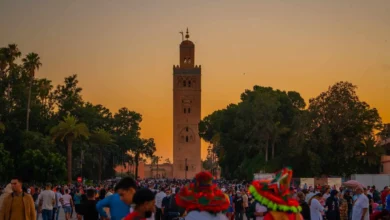
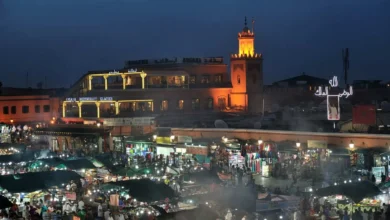
Morocco’s ambition is clear: to build a tourism ecosystem where a visitor can move seamlessly from a riad in Fez to a souk in Marrakech to a seafront restaurant in Agadir without ever reaching for cash. For a country already breaking its own records, “Pay Without Cash” may well be the program that makes world-class numbers feel world-class in practice.
Read also: