
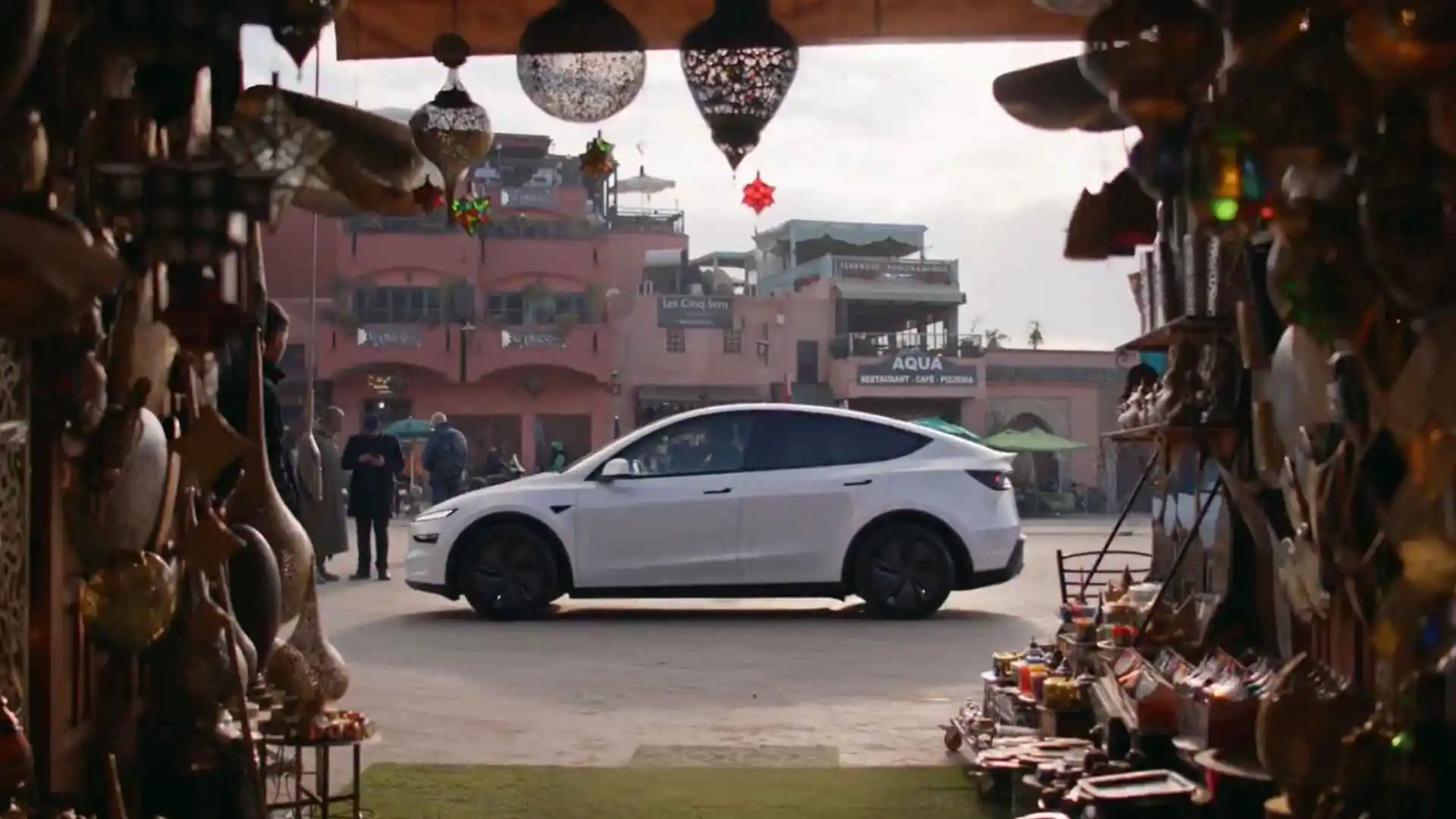
When Tesla announced its first African showroom in Casablanca on February 6th, the news might have seemed purely automotive. But for Morocco’s booming tourism sector, this development could signal something far more significant: the dawn of emission-free travel across one of Africa’s most visited destinations.
The American EV giant has officially opened its doors in the Moroccan market, offering the Model 3 and Model Y starting at $36,000. While these figures matter to car buyers, the real story for travelers lies in what this expansion represents for sustainable tourism in the region.
Beyond the Showroom: Infrastructure That Matters
Tesla didn’t just arrive yesterday. The company has been quietly building its charging network since 2021, starting with stations in Casablanca and Tangier—Morocco’s two primary gateways for international visitors. Today, six Supercharger locations dot the country, creating the skeleton of what could become a comprehensive electric travel network.
For environmentally conscious travelers—a demographic growing rapidly among European and North American tourists—this infrastructure opens intriguing possibilities. Picture renting an electric vehicle at Casablanca airport and driving emission-free along the Atlantic coast to Essaouira, or climbing into the Middle Atlas mountains without the guilt of carbon footprints.
This isn’t just wishful thinking. Similar patterns have emerged in Norway, Iceland, and New Zealand, where robust EV infrastructure has spawned entire tourism segments focused on sustainable road trips.
Morocco’s Green Gamble
Tesla’s choice of Morocco as its African debut makes strategic sense. The kingdom has poured billions into renewable energy—from the vast Noor solar complex to Atlantic wind farms—aiming to generate 52% of its electricity from clean sources by 2030. For a country that welcomed over 14 million tourists in 2023, aligning transportation with this green energy push seems like the logical next step.
The government has also established Tesla Morocco as a local subsidiary based in Casablanca’s Marina district, handling not just vehicle sales but also energy solutions like stationary batteries and solar systems. It’s a holistic approach that suggests long-term commitment rather than a mere market test.
The Reality Check
Before anyone books an all-electric Sahara expedition, let’s acknowledge the challenges. Six charging stations won’t cut it for tourists wanting to explore southern Morocco—from Ouarzazate’s kasbahs to Merzouga’s dunes. The charging infrastructure remains concentrated in urban centers and major routes, leaving vast swathes of the country’s most dramatic landscapes out of range for now.
Rental costs present another hurdle. Electric vehicles typically command premium rates compared to conventional cars, which might deter budget travelers—still the majority of Morocco’s tourist base.
What This Means for Travelers
In the immediate term, don’t expect revolutionary changes at your hotel parking lot. But Tesla’s entry could trigger a domino effect: local car rental companies may begin adding EVs to their fleets, other charging networks might expand more aggressively, and tour operators could start crafting specialized “green circuits” linking major attractions with charging infrastructure.
The real value might be symbolic. When the world’s most recognizable EV brand chooses your country as its continental foothold, it sends a message: Morocco is serious about modernizing its tourism product. For a destination competing with Mediterranean neighbors and emerging African rivals, that positioning matters.
Looking Ahead
Tesla’s Morocco launch isn’t about selling cars to tourists—at least not directly. It’s about building the infrastructure and mindset shift that makes sustainable tourism viable. As charging networks expand and more electric vehicles enter the market (Tesla’s presence will likely encourage competitors), Morocco could establish itself as North Africa’s leader in green tourism.
For travelers, this might mean that five years from now, renting an electric car for a Moroccan road trip will be as unremarkable as finding WiFi at your riad. And for a country whose tourism tagline invites visitors to discover its “soul,” adding an environmentally responsible option to explore that soul seems entirely fitting.
Sources:
Read Also:
