When planning your Morocco trip, you might be asking yourself a crucial question: Is now the right time? Especially if your travel dates coincide with Ramadan. You’ve probably heard conflicting opinions, read mixed reviews, or worried that your tourist experience might be limited during this holy month. Let me put your mind at ease right from the start: visiting Morocco during Ramadan isn’t just possible—it might be one of the richest cultural experiences you’ll ever have. And I’m not exaggerating when I tell you it’s an experience worth having at least once in your lifetime. Why? Here’s why.
Table of Contents
Ramadan in Morocco: More Than Just Fasting
Ramadan isn’t simply a month when Muslims abstain from food and drink from dawn to sunset. It’s a complete transformation in the rhythm of Moroccan life. The streets you know during the day become something entirely different after sunset. Cities breathe differently, and people interact with a special spirituality you can feel in every corner.
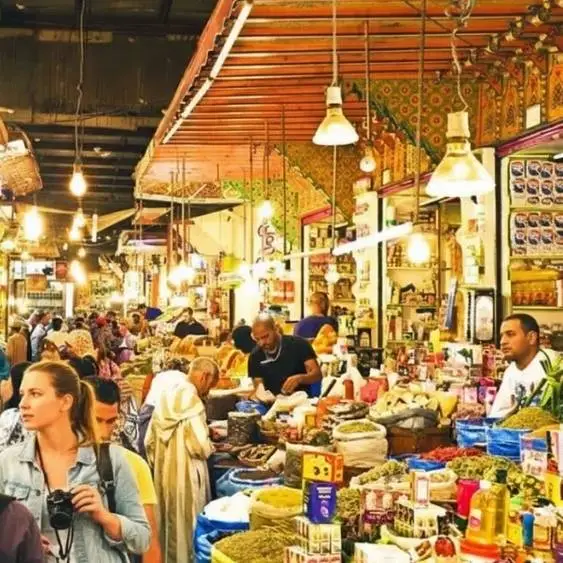
During the day, you’ll notice a relative calm in traditional markets and streets—not because life has stopped, but because people respect this sacred time. But an hour or two before the sunset call to prayer, you’ll feel Morocco living in a strange state of alert. Everyone’s rushing, car horns barely stop honking, vendors’ voices rise almost frantically, and everyone’s hurrying to buy something to decorate their iftar table.
After sunset, the scene changes completely. Moroccan cities transform into living festivals pulsing with life, markets buzz with activity, and the delicious aromas of harira soup and chebakia fill the alleys.
Should You Visit Morocco During Ramadan?
Let me be straight with you from the start: If your goal in traveling to Morocco is to party at nightclubs or shop freely in markets all day long, this might not be the optimal time.
But if you’re seeking genuine cultural depth, Ramadan will give you a unique window into the authentic Moroccan soul.
Why Ramadan Is Worth the Visit
If any Moroccan family invites you to break fast with them during Ramadan, don’t hesitate to accept, and don’t feel any awkwardness about it. Moroccans are naturally social and extremely generous, and they multiply this generosity significantly during Ramadan. So when they invite you to iftar and you accept, they’ll truly appreciate it (just imagine—they invite you to break their fast with them and are happy when you accept).
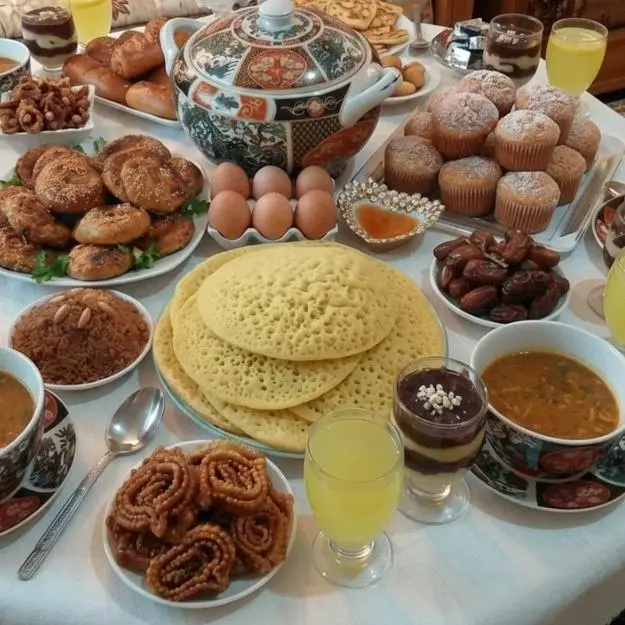
When you sit around the iftar table, you’ll find it overflowing with the most delicious Moroccan dishes. You’ll definitely find hot harira, dates, chebakia, briouats, juices, tagine or pastilla or rfissa… and more. At the same time, you’ll listen to the family’s stories and laughter. Trust me, these moments can’t be bought with money and can’t be experienced at any other time of year.
On another note, when visiting Morocco during Ramadan, you’ll explore tourist sites in a less crowded atmosphere, meaning you’ll enjoy a more peaceful visit to Hassan Tower in Rabat, Koutoubia Mosque in Marrakech, or the old medina in Fez. Most importantly, you’ll witness a side of Morocco that most tourists never see.
Daily Life During Ramadan: What to Expect
Daytime in Ramadan
I didn’t want to remind you of the COVID lockdown days when you’d look out at the street to find all shops closed and streets empty of people, but that’s the situation in Morocco during Ramadan mornings. Until around 10 AM, and in some areas until noon, you’ll find most shops closed and streets nearly empty except for some workers or employees who show signs of fatigue from fasting and staying up late.
But wait—this is just part of the scene that you’ll also be part of if you want to experience this atmosphere as Moroccans do. By noon, in a way that’s hard to understand, you’ll find the streets filled with people, all shops open, and life returned to the markets to a degree that makes you wonder what’s happening—but only for a short time, as movement returns to stillness during the sunset call to prayer.
Evening: Real Morocco Wakes Up
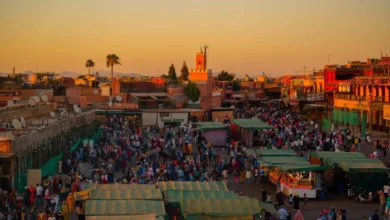
When the iftar cannon fires in major cities, a magical scene begins. People pour into the streets after breaking their fast. Cafés fill up, night markets pulse with life, and Jemaa el-Fna in Marrakech transforms into a carnival of colors, aromas, and sounds.
Restaurants open their doors with special Ramadan menus, and you’ll find offers for traditional iftar meals in Morocco. Shops stay open until late hours. This is the optimal time for shopping, wandering, and immersing yourself in real Moroccan life. Many people stay up late until the pre-dawn meal (suhoor)—the last meal before the dawn call to prayer. Of course, this late night will be followed by late waking, and this is how you’ll understand why streets are empty in the morning. In fact, when you experience this atmosphere yourself, you’ll also wake up late.
Moroccan Food During Ramadan: An Unforgettable Experience
Harira: Queen of Ramadan Tables
You can’t talk about Ramadan in Morocco without mentioning harira. This rich soup of chickpeas, lentils, meat, and authentic Moroccan spices is considered the essential dish for breaking the fast. Every Moroccan family has its own recipe passed down through generations, making every harira you taste a unique experience.
Moroccan Ramadan Sweets
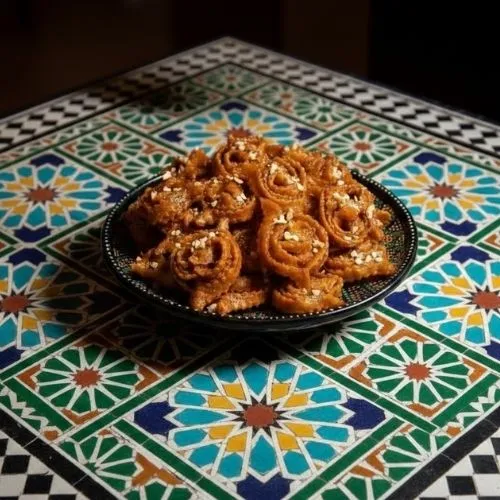
Chebakia—that golden fried pastry dipped in honey and decorated with sesame—becomes the shining star on every iftar table. Briouats with honey and almonds, sfouf, sellou, and shmissa… all these items are abundant during Ramadan, and some are only prepared during this month. These Moroccan Ramadan food recipes represent centuries of culinary tradition.
Dates and Natural Juices
Moroccan tradition begins with eating dates with milk or fresh orange juice or “sellou” (a mixture of ground almonds, sesame, and honey). Then comes harira, followed by the main dish, which might be chicken tagine with olives and preserved lemon, meat with prunes, or couscous with seven vegetables, especially if it’s Friday. This is authentic Moroccan food in Ramadan.
Practical Tips for Tourists During Ramadan
Do You Have to Fast?
The direct answer: No. No one expects you as a tourist to fast, and Moroccans understand this completely. But respecting local culture is important. Here are some tips:
In public places: Try to be discreet about eating and drinking during the day in streets and markets. There’s no law preventing you, but it’s a matter of respect.
If you’re a smoker: Avoid smoking in front of people during the day. The hardest thing about fasting for smokers isn’t hunger or thirst but withdrawal from smoking, so try as much as possible to smoke away from people.
In your hotel or riad: Eat your food completely normally. Most accommodations provide regular meals for guests.
In open restaurants: Don’t hesitate to enter and eat normally. These restaurants operate specifically to serve tourists and people exempt from fasting.
How to Find Food During the Day
In major cities like Marrakech, Casablanca, Fez, Tangier, and Rabat, you’ll find open restaurants serving tourists. Use apps like TripAdvisor or Google Maps to find open restaurants. Major hotels and hotel chains serve meals throughout the day. So can you visit Morocco during Ramadan? Absolutely—with proper planning.
What About Alcohol?
During Ramadan, most alcohol sales outlets close by law. Some upscale hotels and licensed bars may continue serving alcohol, but very discreetly. If alcohol is an important part of your tourist experience, you might have difficulty finding it. This is one consideration when going to Morocco during Ramadan.
Transportation During Ramadan
Trains and buses: Service continues almost normally. On the Al Boraq train (high-speed train), the train café might close, but you can bring your own food. In first class, you might not find the usual drinks displayed openly, but you can request water.
Rental cars: An excellent option during Ramadan as it gives you complete flexibility in movement and stopping wherever you want.
Guides and drivers: Most tourism sector workers are accustomed to dealing with tourists during Ramadan. Don’t hesitate to drink water or have light snacks in front of them—they’re professionals and understand your needs.
What to Wear in Morocco During Ramadan
Ramadan is a spiritual time, and Moroccans tend to be more conservative in their dress during this month. This doesn’t mean you need a radical change in your wardrobe, but some additional considerations might be helpful:
For women:
- Dress or pants covering the knees
- Covered shoulders (sleeved shirt or light shawl)
- Avoid very tight or transparent clothing
- In mosques and religious places, head covering is necessary
For men:
- Long pants or knee-length shorts
- Modest shirt (avoid going shirtless in public places)
General advice: You can wear swimwear at hotels and beach resorts without problems. But in public places and traditional markets, modesty shows respect for local culture. This is important to know about what to wear in Morocco during Ramadan.
Exceptional Experiences Not to Miss During Ramadan
Attending Iftar at a Mosque or Public Square
In many mosques and public squares, free communal iftar tables are organized for the poor and passersby. Standing near Hassan II Mosque in Casablanca or Koutoubia Mosque in Marrakech at sunset call to prayer is an awe-inspiring experience—thousands of worshippers emerge after prayer, and spirituality fills the place.
Tasting an Authentic Ramadan Iftar Meal
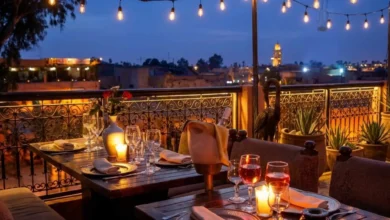
Many restaurants and hotels offer special “iftar menus”—complete traditional meals starting with dates and milk, then harira, briouats, chebakia, and a main dish. Some riads and upscale restaurants offer a luxurious iftar experience with stunning city views. This is what iftar in Morocco truly means.
Laylat al-Qadr (Night of Destiny)
The twenty-seventh night of Ramadan—Laylat al-Qadr—is the holiest night of the year for Muslims. Mosques are illuminated, people spend the night in prayer, and there’s a very special spiritual atmosphere. Even if you’re not Muslim, you can feel this spirituality in the streets.
Preparing for the Final Days and Eid al-Fitr
The last days of Ramadan: Shopping and preparations intensify. Markets are packed with shoppers buying new clothes and sweets for Eid. It’s a great time to observe Moroccan culture at its peak activity.
Eid al-Fitr: The day following Ramadan is celebrated greatly by Moroccans. People wear new clothes, exchange visits, and eat huge festive meals. If your trip coincides with Eid, it’s a golden opportunity to witness authentic and wonderful celebrations.
Final Advice: How to Interact with Moroccans During Ramadan
Moroccans are hospitable by nature, and during Ramadan they become more generous and spiritual. Here are some phrases that will help you:
- “Ramadan Mubarak” or “Ramadan Kareem”: Say this to anyone you interact with, and you’ll see happiness on their face
- “Allah y’awnek”: You say this to someone fasting, meaning “May God help you”
- “Bsa7a ftourek”: You say this after iftar, meaning “health and wellness”
Moroccans greatly appreciate any attempt from you to understand and respect their culture. A sincere smile, clear respect for traditions, and openness to the experience—that’s all you need.
When Is Ramadan in Morocco 2026?
For proper trip planning, it’s important to know that Ramadan in Morocco 2026 will begin approximately on February 17 or 18 and end on March 19 or 20 (exact dates depend on moon sighting). This timing coincides with the beginning of spring season in Morocco, when weather is moderate and beautiful—an ideal time for tourism if you prepare well.
Ramadan timing differs each year because the Islamic calendar follows the lunar cycle, meaning Ramadan advances about 10-11 days each year on the Gregorian calendar. In 2026, fasting hours will be approximately 13-14 hours daily, from about 5:00 AM until 7:00 PM.
Is It Really Worth It?
If you’re still wondering “should I visit Morocco during Ramadan?” or “is it worth visiting Morocco during Ramadan?”, let me tell you from my position as a Moroccan who knows his people’s secrets: Yes, it’s definitely worth it. But only if you’re mentally prepared for a different experience. Traveling during Ramadan requires flexibility, open-mindedness, and willingness to accept some changes in routine.
You won’t find the same loud nightlife, the same ease of finding alcohol, or the same usual working hours. But what you’ll find is much more valuable: a chance to see the real, deep, spiritual Morocco. A chance to be invited into Moroccan homes, to share traditional meals, to witness centuries-old religious rituals, and to experience Moroccan hospitality in its purest form.
Morocco is beautiful any time of year, but Ramadan gives you a unique window into its soul. If you’re a lover of authentic cultural experiences, don’t hesitate—pack your bag, open your heart and mind, and go. You’ll return with memories and stories you’ll never forget.
Read also
- Marrakech Souks: Where Getting Lost Is Part of the Adventure
- Moroccan Riads: Your Complete Guide to an Authentic Stay in Morocco
- The Ultimate Marrakech Travel Guide 2026: Everything You Need to Know Before Visiting the Red City
- Is It OK to Travel to Morocco in 2026? Safety Facts Beyond the Stereotypes