If you’re heading to Morocco and wondering whether you’ll have to spend your entire trip on mint tea alone — relax. You won’t. The question “can you drink alcohol in Morocco” is one of the most searched queries by travelers planning a trip here, and the answer is a clear yes — but under a set of rules that look nothing like what you’re used to back home in the States, in Europe, or pretty much anywhere else. Morocco welcomed roughly twenty million tourists in 2025, and the country has figured out its own formula: a Muslim-majority nation with a licensed alcohol industry, a booming nightlife in its major cities, and a social code that demands one thing above all — discretion.
Table of Contents
So, Can You Drink Alcohol in Morocco as a Tourist?
Short answer: yes, absolutely. Longer answer: yes, but only where the law says you can.
Morocco’s licensing system dates back to the French Protectorate era and has been refined over the decades since independence. Alcohol is legally produced, sold, and consumed across the country — inside licensed venues. That means hotels, restaurants with a liquor license, bars, nightclubs, and dedicated sections within major supermarkets. As a foreign visitor, you are fully within your rights to order a beer, a glass of wine, or a cocktail at any of these places.
What you cannot do is drink in the street. Not on a park bench, not on a public beach, not on a hotel balcony overlooking a busy road. Public drinking is a criminal offense in Morocco, and public intoxication — what Moroccan criminal law calls “manifest public drunkenness” — can land you a fine or a short stay in a holding cell until you sober up.
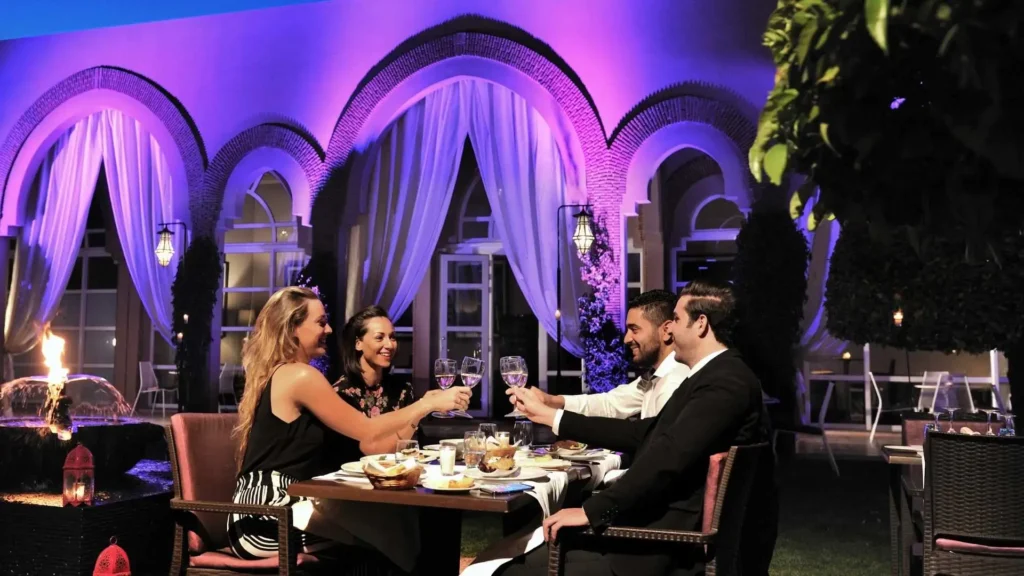
Here’s the thing, though: I have never come across a credible report of a respectful tourist being arrested simply for having a drink in a licensed restaurant. The reality is that you can drink alcohol in Morocco without any issue — the system works when you work with it. Stay inside licensed venues, behave like a grown-up, and you will have zero problems.
Legal Drinking Age in Morocco: The Basics
The legal drinking age in Morocco is eighteen. This applies across the board — locals, residents, tourists, everyone. Hotels and upscale bars tend to check identification, though enforcement varies from place to place.
Carry your passport or a copy of it whenever you plan to buy alcohol, whether at a store or a restaurant. Some vendors may ask for proof of age, particularly if you look young. And buying alcohol for anyone under eighteen is strictly prohibited — no exceptions.
Where to Find Drinks in Morocco: A City-by-City Reality Check
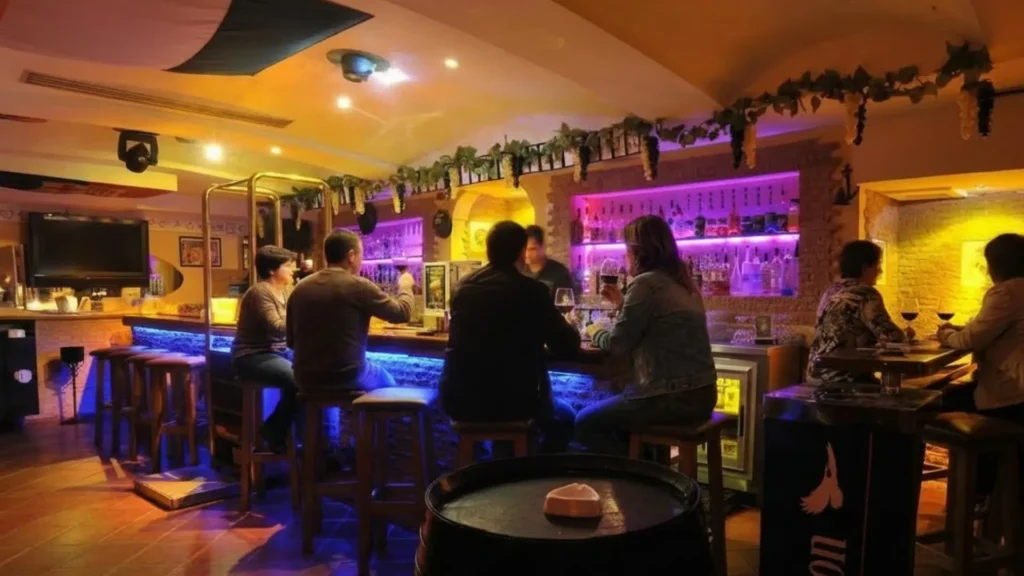
Here’s where first-time visitors often get confused: alcohol in Morocco exists, but it doesn’t advertise itself. You won’t see neon cocktail signs or wine shop windows like in Barcelona or Paris. The Moroccan system runs on a principle I’d describe as “available but invisible.” Once you understand that, finding a drink becomes straightforward.
Hotels and Resorts
The easiest option by far. Four- and five-star hotels in cities like Marrakech, Casablanca, Agadir, Tangier, and Rabat serve alcohol as a matter of course — at their restaurants, poolside bars, and in-room minibars. If your hotel carries a decent star rating, expect a full menu of local and imported wines, beers, and spirits.
Licensed Restaurants
Major cities have a solid selection of restaurants holding liquor licenses. You’ll find them concentrated in the modern districts outside the old medina walls — neighborhoods like Guéliz in Marrakech, Maârif in Casablanca, or Agdal in Rabat. The general pattern: the farther you move from the ancient medina and toward the newer parts of town, the easier it gets to find a restaurant pouring wine with dinner.
Supermarkets
Large supermarket chains in Morocco typically stock alcohol in a separate, dedicated section — often a side room or a basement-level area with its own entrance, physically separated from the main shopping floor. Don’t be surprised if you can’t spot it right away. Ask staff or look for the discreet signage pointing you toward the alcohol department.
Specialized Liquor Shops
In the modern neighborhoods of larger cities, you’ll find standalone licensed liquor shops. They tend to have darkened storefronts and minimal signage — that’s intentional, not shady. These shops usually close early in the evening, so plan your purchases accordingly.
Traditional Guesthouses (Riads)
A detail many visitors overlook: some riads located within the old medina walls do not hold a license to sell alcohol, due to their proximity to mosques and residential areas. However, certain riads allow guests to bring their own drinks and consume them privately inside their rooms or on interior terraces. If this matters to you, confirm the policy before you book.
Moroccan Alcoholic Drinks: What’s Actually in the Glass?
Morocco isn’t just a country that tolerates alcohol — it produces it, and has done so since the Phoenician and Roman eras. The Mediterranean climate and fertile soil in several regions have sustained vineyards for centuries.
Moroccan Wine
Morocco produces local wine of genuinely impressive quality, particularly in the areas between the interior plains and the Atlantic coast. Red wine dominates production, but the country’s signature pour is a very pale rosé, served ice-cold — perfect for hot weather and seafood. If you appreciate wine at all, tasting a Moroccan bottle is an experience worth having.
Local Beer
Several locally brewed beers are available, ranging from light and refreshing lagers to fuller-bodied options. Local beer is served at most licensed venues and costs significantly less than imported brands.
Mahia: Morocco’s Traditional Spirit
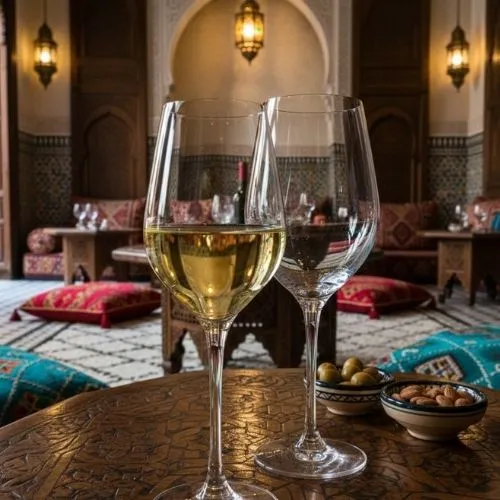
Morocco has its own ancestral spirit called Mahia — meaning “water of life” — distilled from figs or dates with aniseed. It’s historically tied to Morocco’s Jewish heritage and carries a distinct, powerful flavor.
A critical safety note: never buy homemade or unbranded spirits from street vendors or informal markets. Clandestinely distilled alcohol in Morocco has caused serious methanol poisoning incidents. Stick exclusively to officially bottled and labeled products from licensed shops.
Morocco Drink Prices: What to Expect
I’ll be straight with you: alcohol in Morocco is not cheap. The government levies heavy excise taxes on alcoholic beverages, which creates a striking contrast with the otherwise low cost of traveling in the country.
Expect to pay between three and seven dollars for a beer at a licensed restaurant, while a bottle of wine at an upscale hotel can run twenty to thirty-five dollars. Buying from supermarkets or liquor shops is significantly cheaper — a decent local wine plus several beers might set you back thirteen to fifteen dollars total.
My advice: if you’re planning a quiet evening at your hotel, pick up your drinks earlier in the day from a supermarket. The markup at hotel bars and restaurants is substantial.
Bringing Alcohol Into Morocco: The Customs Rule
Moroccan customs allows each adult traveler (over eighteen) to bring in one liter of alcoholic beverages duty-free. It’s not a lot, and honestly may not be worth the luggage space — but it’s an option if you have a specific bottle you don’t want to leave behind.
Pack it in your checked luggage, not your carry-on, and declare it if asked.
Drinking and Driving in Morocco: The One Rule You Don’t Bend
This is the single most important section in this entire guide. Morocco enforces a near-zero tolerance policy on drinking and driving, and the legal thresholds are far lower than what most Western travelers are accustomed to:
- Alcohol detected in the driver’s breath at 0.10 milligrams per liter or above.
- Alcohol detected in the driver’s blood at 0.20 milligrams per liter.(sgg.gov.ma , p83)
To put that in perspective: a single glass of wine could push you over the limit. This is not a technicality. Police checkpoints are set up regularly at city entrances and near entertainment districts, and officers conduct breathalyzer tests routinely. Penalties include heavy fines, immediate license suspension, and potential jail time.
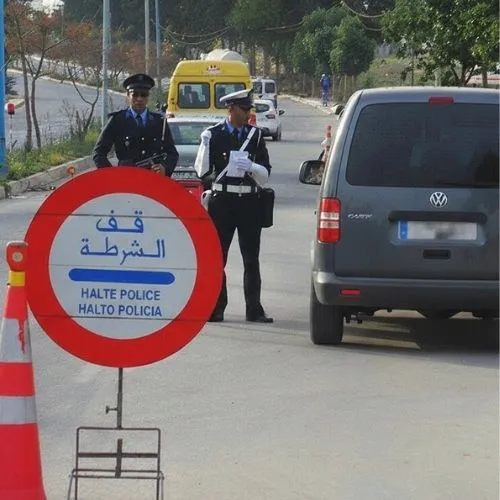
The solution couldn’t be simpler: taxis in Morocco are everywhere and remarkably affordable by Western standards. You can also use ride-hailing apps like inDrive to book a car straight from your phone. If you plan to drink in the evening, arrange your ride in advance and stay away from the steering wheel.
Read also: Driving in Morocco (2026): What Every Traveler Should Know Before Getting Behind the Wheel
Ten Tips From Someone Who Knows the Terrain
Now that you know you can drink alcohol in Morocco, here’s how to do it without a single headache — legal or otherwise.
One — Drink only in licensed venues: hotels, restaurants, bars. This keeps you on the right side of the law and out of any misunderstandings.
Two — When you buy alcohol from a shop, the vendor will typically place it in an opaque cloth bag. Keep it that way. Don’t walk down the street with a visible bottle. It’s not written law — it’s social code, and everyone follows it.
Three — Never drink in the street. Not even if it looks deserted. It’s illegal, and it can create real problems for you.
Four — It’s best to avoid appearing visibly intoxicated in public spaces. Even if you’re walking out of a perfectly legal bar, keep your composure on the street.
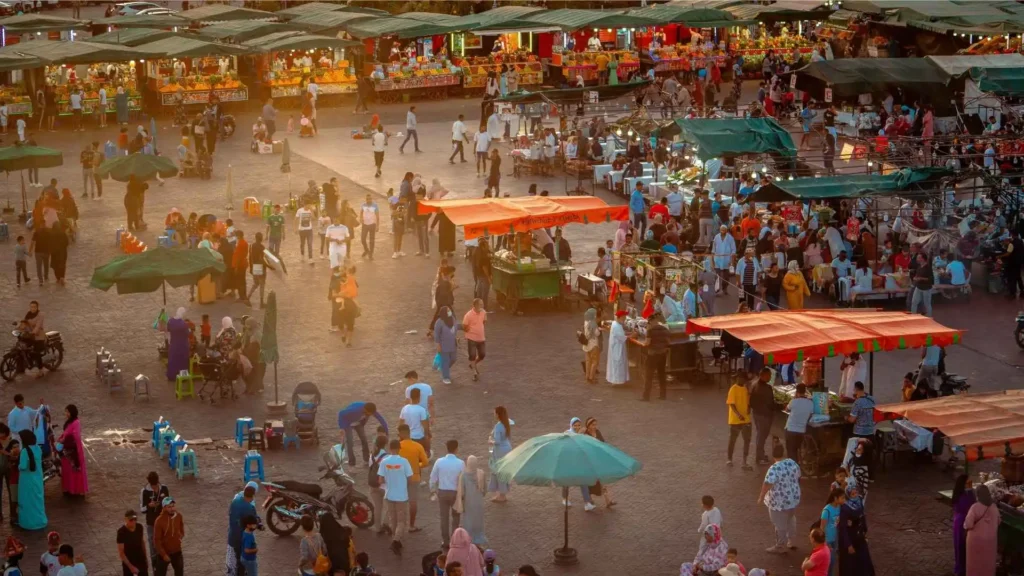
Five — Do not photograph people drinking in local bars or restaurants. You could expose them to social or professional consequences, and the reaction you get may not be friendly.
Six — Don’t offer alcohol as a gift to a Moroccan. In most cases, it will create an awkward moment rather than a grateful one. The one exception: if you know the person well enough to know they enjoy a drink — then that bottle becomes the finest gift you could bring, and they’ll think of you fondly every time they open it.
Seven — Carry your ID (passport or a copy) when heading out to buy alcohol.
Eight — Outside major cities and tourist zones, don’t count on finding alcohol at all. In rural areas and small towns, options may simply not exist. Plan ahead if you’re heading off the beaten path.
Nine — Driving after drinking is an absolute red line. Take a taxi or use inDrive. No exceptions.
Ten — Try the local wine and beer. Morocco produces drinks that genuinely deserve your attention, and sampling them is part of the cultural experience that makes a trip here different from anywhere else.
Frequently Asked Questions
Can you drink in Morocco as a tourist?
Yes. Tourists can legally buy and consume alcohol in licensed hotels, restaurants, bars, and select supermarkets. Drinking in public spaces is prohibited by law.
What is the drinking age in Morocco?
The legal drinking age in Morocco is eighteen, and this applies to everyone including foreign visitors.
Are Morocco drinks expensive?
Relatively, yes. High taxes make alcohol pricier than you’d expect in an otherwise affordable country. Supermarket prices are significantly lower than hotel or restaurant prices.
Can you drink alcohol in Marrakech?
Yes. Visitors can easily find alcohol in Marrakech, especially in modern districts such as Guéliz and Hivernage. Many licensed restaurants, hotel bars, and nightlife venues serve beer, wine, and cocktails. While alcohol is rarely visible inside the old medina, international hotels and upscale restaurants typically offer full drink menus. As in the rest of Morocco, alcohol should only be consumed in licensed venues and not in public spaces.
Can you buy alcohol in Moroccan supermarkets?
Yes, alcohol is available in certain supermarkets in Morocco, but usually in a separate section or a dedicated room. Large chains often sell local wines, beers, and imported spirits. These sections are typically discreet and sometimes have a separate entrance from the main store.
Do hotels in Morocco serve alcohol?
Most four- and five-star hotels in Morocco serve alcohol in their restaurants, lounges, and poolside bars. International hotel brands and upscale resorts generally offer a full selection of wine, beer, and spirits for guests.
Can tourists drink alcohol during Ramadan in Morocco?
Yes, tourists can still drink alcohol during Ramadan in Morocco, but availability may be more limited. Some bars, restaurants, and hotels continue serving alcohol to foreign visitors, especially in major tourist areas. However, many shops and venues reduce their hours or stop selling alcohol during the day out of respect for the fasting month.
Are bars and nightlife common in Morocco?
Yes, nightlife exists in several major cities in Morocco, particularly in areas popular with international visitors. Cities like Casablanca, Marrakech, and Agadir have cocktail bars, lounges, beach clubs, and nightclubs where alcohol is served legally.
What Moroccan alcoholic drinks should tourists try?
Visitors interested in local drinks often try Moroccan wines produced in vineyards around Meknès and the traditional spirit Mahia, historically associated with Morocco’s Jewish communities. Local beers are also widely available in licensed venues across Morocco.
Can you bring alcohol back from Morocco?
Yes, travelers can purchase Moroccan wine or spirits and take them home, as long as they respect the customs regulations of their destination country. Wines produced in regions around Meknès are among the most commonly exported bottles visitors bring back as souvenirs.
NB: Some illustrative images in this article were edited using AI.
Read also: