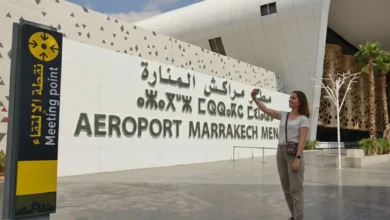
Just 14 kilometres of turquoise water separate two continents, and crossing that gap by sea remains one of the most exhilarating ways to begin any Moroccan adventure. Whether you are a backpacker hopping over for a day trip, a family driving south for the summer, or a long-haul traveller shipping a campervan from Barcelona, taking a ferry from Spain to Morocco in 2026 is faster, more comfortable, and more varied than ever — but it also comes with new border rules and a reshuffled roster of operators that every traveller should understand before booking a ticket.
This guide walks you through every active route, the companies behind them, realistic fares, crossing times, and the regulatory changes that took effect in late 2025 and early 2026. Bookmark it, share it, and come back before your next crossing — the information here reflects the latest verified data as of February 2026.
Table of Contents
How to Get From Spain to Morocco by Ferry: The Big Picture
Spain and Morocco are not connected by land — there is no bridge or tunnel across the Strait of Gibraltar — so if you want to cross between the two countries overland, a ferry is the only option. The good news is that the strait is one of the busiest short-sea shipping corridors on the planet, with up to 30 daily crossings on the busiest route alone during peak season.
Five Spanish ports currently send ferries to Morocco: Algeciras, Tarifa, Almería, Motril (Granada), and Barcelona. On the Moroccan side, vessels call at Tanger Med, Tangier Ville, Nador, and Al Hoceima. Crossing times range from a brisk one hour on the Tarifa to Tangier ferry to a full day-and-a-half on the Barcelona services.
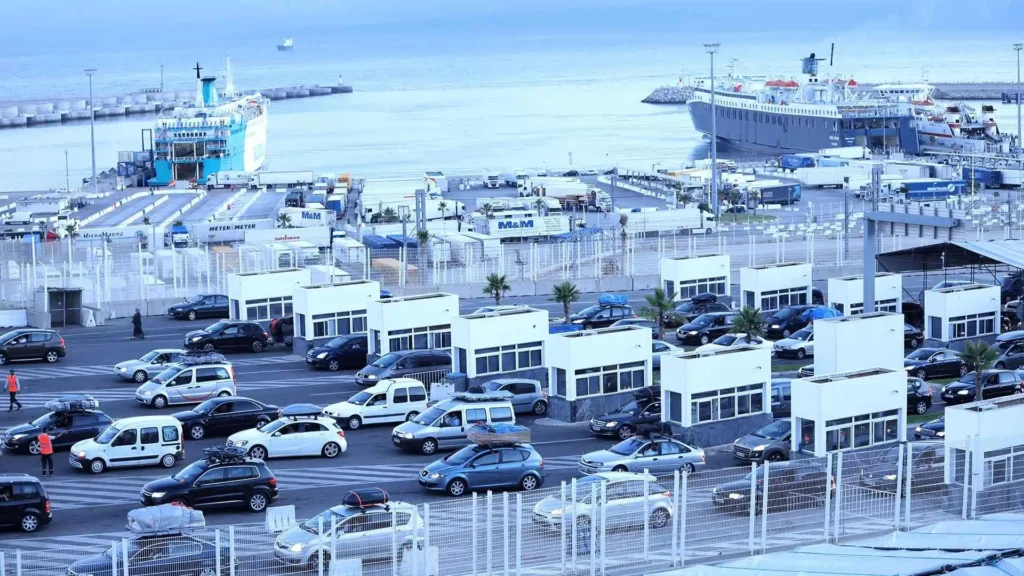
One critical distinction travellers must grasp before booking: Tanger Med and Tangier Ville are two entirely different ports separated by roughly 50 km of highway. Tanger Med is the massive logistics hub east of the city that handles most car-carrying ferries from Algeciras. Tangier Ville is the old city-centre port where fast ferries from Tarifa dock, placing you within a 15-minute walk of the medina. Mixing them up can cost you hours.
All Ferry Routes From Spain to Morocco in 2026
1. Algeciras to Tanger Med
This is the main artery. It carries the heaviest volume of passengers, cars, trucks, and freight between Europe and Africa.
- Operators: Baleària, Trasmediterránea, DFDS (formerly FRS Iberia), Naviera Armas, AML
- Crossing time: 1.5–2 hours by conventional ferry; Baleària’s fast craft can do it in roughly 30 minutes in ideal conditions
- Frequency: up to 30 daily crossings in high season; around 8–10 per day in low season
- Price: from around €29 one-way for a foot passenger
- Vehicles: available on all sailings; expect to pay €180–260 for a family of four with a standard car
If you are wondering how long is the ferry from Spain to Morocco on the shortest strait crossing, this route and the Tarifa line (below) are your answer — both can be done in under two hours.
2. Tarifa to Tangier Ville
The fastest way to reach downtown Tangier. The ferry from Tarifa to Tangier takes approximately one hour and drops you at the heart of the city.
- Operators: Baleària, AML (Africa Morocco Link)
- Crossing time: 1 hour
- Frequency: 5–10 daily departures
- Price: from €35–40 one-way for a foot passenger
- Vehicles: available; family + car packages start around €420–525
Baleària launched its service on this line in May 2025 after winning a 15-year concession from the Algeciras Bay Port Authority. AML has been operating the Tarifa to Tangier Ville ferry since June 2024. Together they have effectively replaced Inter Shipping, the Moroccan carrier that previously dominated this crossing but is no longer listed on major booking platforms for 2026.
Important: Tarifa is a small port exposed to easterly Levante winds. It is the first route to shut down during storms, so always have a Plan B via Algeciras if you are travelling in winter.
3. Almería to Nador
The gateway to eastern Morocco and the Rif region.
- Operators: Naviera Armas, Trasmediterránea, Baleària
- Crossing time: 6–11 hours depending on the vessel
- Frequency: around 2 daily sailings
- Price: from €60, rising sharply toward €100 during Marhaba season
4. Barcelona to Tanger Med
A long-haul ferry crossing to Morocco from Spain, ideal for travellers coming from France, Catalonia, or northern Spain who want to avoid the long drive south to the strait.
- Operator: GNV (Grandi Navi Veloci, part of the MSC group)
- Crossing time: 25–35 hours
- Frequency: twice weekly
- Price: from €87 for a seat, up to €150 for a private cabin
5. Barcelona to Nador
- Operator: GNV
- Crossing time: 25–30 hours
- Frequency: 1–2 per week
- Price: from €100
6. Motril to Al Hoceima
- Operators: Trasmediterránea, Naviera Armas
- Crossing time: varies by season
- Frequency: up to 4 per week (seasonal)
- Price: from €40–60
7. Motril to Nador
- Operators: Trasmediterránea, Naviera Armas
- Crossing time: varies by season
- Frequency: 1–2 per week (seasonal)
- Price: from €40
Motril offers a less congested alternative to Algeciras and Almería. If you are driving down from Granada, it saves you a detour.
8. Motril to Tanger Med
- Operator: Baleària
- Crossing time: 7–8 hours
- Frequency: daily
- Price: from €53–60
A Note on the Málaga–Tanger Med Route
Despite occasional references online, the ferry from Málaga Spain to Tangier Morocco is not consistently available. Baleària has operated it intermittently — roughly once a week — but schedules are unreliable. If Málaga is your starting point, the most practical approach is to drive or take a bus 130 km south to Algeciras or Tarifa and catch a ferry from southern Spain to Morocco from there.
Ferry From Spain to Morocco: Price & Duration Comparison Table
| Route | Operators | Crossing Time | Frequency | From (€) |
|---|---|---|---|---|
| Algeciras – Tanger Med | Baleària, Trasmed, DFDS, Armas, AML | 1.5–2 h | Up to 30/day (peak) | 29 |
| Tarifa – Tangier Ville | Baleària, AML | 1 h | 5–10/day | 35–40 |
| Almería – Nador | Armas, Trasmed, Baleària | 6–11 h | 2/day | 60 |
| Barcelona – Tanger Med | GNV | 25–35 h | 2/week | 87 |
| Barcelona – Nador | GNV | 25–30 h | 1–2/week | 100 |
| Motril – Al Hoceima | Trasmed, Armas | Varies | Up to 4/week | 40–60 |
| Motril – Nador | Trasmed, Armas | Varies | 1–2/week | 40 |
| Motril – Tanger Med | Baleària | 7–8 h | Daily | 53–60 |
Prices are indicative one-way foot-passenger fares as of early 2026. Vehicle supplements, cabin upgrades, and peak-season surcharges apply.
The Operators — Who Runs These Ferries in 2026?
The corporate landscape has shifted dramatically since 2024. Here is who you are actually sailing with:
Baleària — Spain’s largest independent ferry company and the most active operator on the strait. It runs services on more Spain–Morocco routes than any other carrier and is investing heavily in sustainability, including two fully electric fast ferries due in 2027. If you can only remember one name, make it this one.
DFDS — The Danish shipping and logistics giant completed its acquisition of FRS Iberia/Maroc in January 2024. If you previously booked with FRS, you are now booking with DFDS. The brand transition is still underway, and some booking engines still show “FRS Iberia DFDS.” Routes include Algeciras–Tanger Med, Algeciras–Ceuta, and Tarifa–Tangier Ville.
AML (Africa Morocco Link) — Morocco’s national ferry operator, now jointly owned by CTM (51 %), the country’s leading transport group, and Sweden’s Stena Line (49 %), which acquired its stake from Greece’s Attica Group in mid-2024. AML operates on both strait routes (Tanger Med–Algeciras and Tangier Ville–Tarifa) with a fleet of six to seven vessels, and carried over one million passengers in 2024.
Naviera Armas / Trasmediterránea — Operating as an integrated alliance, these two focus on medium- and long-distance routes: Algeciras, Almería, Motril, and Málaga.
GNV (Grandi Navi Veloci) — Part of the MSC group, GNV specialises in overnight and long-haul sailings from Barcelona to Tanger Med and Nador.
Inter Shipping — Once active on the Tarifa–Tangier line, this Moroccan carrier is no longer listed on major platforms such as Ferryhopper for 2026. AML has effectively taken over its role.
New Border Rules: EES, ETIAS and the D16ter Form
Taking a ferry to Morocco from Spain in 2026 involves navigating a new layer of European border technology. Here is what matters:
EU Entry/Exit System (EES)
The EES began its phased rollout on 12 October 2025 and is set to be fully operational across all Schengen borders by 10 April 2026. It replaces manual passport stamping with a biometric system that records fingerprints and facial images for all non-EU travellers entering or leaving the Schengen zone.
What it means for ferry passengers: Your first registration will take longer than a simple stamp. Arrive at the port at least 3 hours before departure, especially during the transition period. Subsequent crossings will be faster once your data is in the system.
ETIAS
The European Travel Information and Authorisation System will require visa-exempt nationals (e.g., US, Canadian, Australian citizens) to obtain pre-travel authorisation before entering the Schengen area. It is expected to launch in late 2026 but is not yet mandatory as of February 2026.

Vehicle Temporary Import: The D16ter Form
If you are driving your own vehicle into Morocco, you must complete the D16ter temporary admission form. It can — and should — be filled in online via the Moroccan customs website before you travel. The form links your vehicle to your passport and permits a stay of up to 6 months (180 days) per calendar year. Make sure your passport has at least 6 months’ validity remaining; this is strictly enforced.
Operation Marhaba 2026: Peak Season Survival Guide
Every summer, millions of Moroccan diaspora members living in Europe drive south for the holidays, and the strait transforms into one of the world’s busiest seasonal migration corridors. Operation Marhaba 2026 is expected to run from 15 June to 15 September. For context, Marhaba 2025 saw over 3.2 million passengers and nearly 739,000 vehicles pass through Moroccan ports — a 7 % increase in passengers and 6 % in vehicles over 2024, according to Morocco’s Transport Minister Abdessamad Kayouh. With a similar growth trajectory, Marhaba 2026 could surpass 3.4 million maritime passengers and 780,000 vehicles.
In 2025, 29 vessels from seven companies were deployed, providing over 500 weekly crossings with a maximum capacity of 500,000 passengers and 130,000 vehicles per week. A comparable or larger fleet is expected for 2026 to maintain a sailing roughly every 30 minutes at peak times on the Algeciras–Tanger Med route. The most congested periods are historically the last week of June and the first week of July (southbound) and the final ten days of August (northbound).
Survival tips: Book weeks in advance, arrive at the port early in the morning, carry printed tickets, and keep snacks and water in the car — queues at Tanger Med can stretch for hours on the worst days.
How to Find the Cheapest Way to Get From Spain to Morocco
Fare comparison is essential. Prices for the same route on the same day can vary by 30 % or more between operators. Here is the best way to travel from Spain to Morocco without overpaying:
Use comparison engines: Ferryhopper and Direct Ferries aggregate schedules and fares across all companies and allow side-by-side comparison. Always check the operator’s own website as well — exclusive web-only discounts do exist.
Book early: Advance fares on the Algeciras–Tanger Med route start at €29, but last-minute walk-ups during Marhaba can exceed €50 for the same seat.
Travel midweek and off-peak: Tuesday and Wednesday sailings are usually the emptiest. Avoid Friday afternoons and Sunday mornings.
Consider Motril: If you are in Andalusia’s eastern half, Motril’s daily Baleària service to Tanger Med is often cheaper and far less crowded than the strait crossings.
Travel light on the Tarifa line: The Tarifa to Tangier Ville ferry is ideal for foot passengers on a day trip, but vehicle fares are significantly higher here than on the Algeciras route.
What’s Next? Electric Ferries and the First Green Corridor
Baleària is building two fully electric fast ferries at the Armón shipyard in Gijón, Spain. Each vessel will carry 804 passengers and 225 cars, powered by 16 MW of battery-electric propulsion with an 11,500 kWh battery bank — enough to complete the 18-nautical-mile Tarifa–Tangier Ville crossing entirely on stored energy, with zero emissions, zero noise, and zero vibrations.
The ships are expected to enter service in 2027, creating the world’s first zero-emission maritime green corridor between two continents. Port electrification works, including battery storage and robotic charging arms, are already underway in both Tarifa and Tangier.
Meanwhile, AML’s partnership with Stena Line is bringing Scandinavian fleet-management expertise to Moroccan waters, with plans to modernise vessels and digital booking systems across all its routes.
The crossing from Spain to Morocco is no longer just a transit — it is becoming a showcase for the future of sustainable short-sea shipping.
Frequently Asked Questions
How long is the ferry from Spain to Morocco?
It depends on the route. The quickest crossing is the Tarifa to Tangier Ville ferry at roughly 1 hour. The Algeciras–Tanger Med ferry takes 1.5 to 2 hours by conventional vessel (as little as 30 minutes on Baleària’s fast craft). Longer routes such as Almería–Nador run 6–11 hours, and Barcelona–Tanger Med takes 25–35 hours.
Can you take a ferry from Morocco to Spain?
Yes. All routes listed in this guide operate in both directions. You can book a return trip or a one-way crossing from any Moroccan port back to Spain. The same operators, schedules, and fare structures apply.
Are Spain and Morocco connected by land?
No. There is no bridge, tunnel, or land link across the Strait of Gibraltar. The only way to cross between the two countries over the surface is by ferry. Spain does share a land border with Morocco at its autonomous cities of Ceuta and Melilla on the North African coast, but these are enclosed enclaves, not a through-route between the two countries’ mainland territories.
What is the cheapest way to get from Spain to Morocco?
The cheapest ferry crossing is the Algeciras to Tanger Med route, with foot-passenger fares starting at around €29 when booked in advance. Travelling midweek and outside the summer Marhaba season will consistently yield the lowest prices. Comparison platforms like Ferryhopper help spot the best deals across all operators.
What documents do I need to take my car to Morocco?
You need a valid passport (minimum 6 months remaining), your vehicle registration document, a valid driving licence, car insurance that covers Morocco (Green Card or locally purchased policy), and the D16ter temporary import form, which can be completed online before travel. The vehicle may stay in Morocco for up to 180 days per calendar year.
Note: Some illustrative images in this article were edited using AI.
Read also: