At a Glance
| Detail | What You Need to Know |
|---|---|
| Best products to buy | Argan oil, spices, Berber rugs, leather goods, ceramics, lanterns |
| Average souvenir budget | 500–2,000 MAD ($50–$200) for a solid gift haul |
| Currency | Moroccan Dirham (MAD) — cash only in souks |
| Is bargaining required? | Yes, in traditional markets. Start at 50% of the asking price |
| Best shopping cities | Marrakech (spices, lanterns), Fez (leather, pottery), Essaouira (thuya wood) |
| The #1 rule | Never buy from the first shop. Compare prices and quality across at least three |
Table of Contents
Here is what nobody tells you before you walk into a Moroccan souk: the hardest part is not finding something beautiful. It is figuring out whether the beautiful thing in your hand is actually handmade, actually worth the price, and actually going to survive the flight home.
Morocco is one of the last places on earth where centuries-old crafts — leatherwork, weaving, metalsmithing, ceramic glazing — are still practiced daily in workshops passed down through families. That is the good news. The bad news? Imported knockoffs, diluted argan oil, and dyed-up fake saffron sit on the same shelves as the real stuff. And if you do not know what to look for, you will not know the difference until you are already home.
This guide is built to fix that. Every product below comes with a realistic price range in dirhams and dollars, a hands-on quality test you can do right at the stall, and the specific city or region where you will get the best deal. Whether you are figuring out what to buy in Morocco for the first time or returning for a smarter shopping trip, this is everything you need before stepping through the souk gates.
Where to Shop in Morocco — Souks, Cooperatives, or Fixed-Price Stores?
Before you decide what to buy, decide where to buy it. The venue shapes everything: the price, the quality, and the entire shopping experience.
Traditional Markets (Souks)
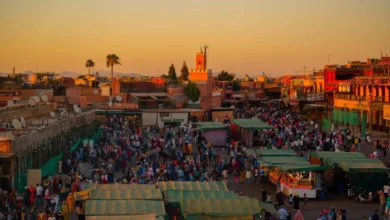
These are the centuries-old marketplaces winding through every medina in Morocco. Narrow alleys packed with stalls selling everything from cumin to cowhide. Prices are never fixed, bargaining is expected, and the energy is unlike anything you have experienced in a Western mall. The deals can be outstanding — but so can the markups if you walk in unprepared.
Best for: Travelers who enjoy the negotiation game and have done their price homework first.
Read also: Morocco Guided Tours in 2026: How to Choose a Licensed Guide and Avoid Scams
Cooperatives
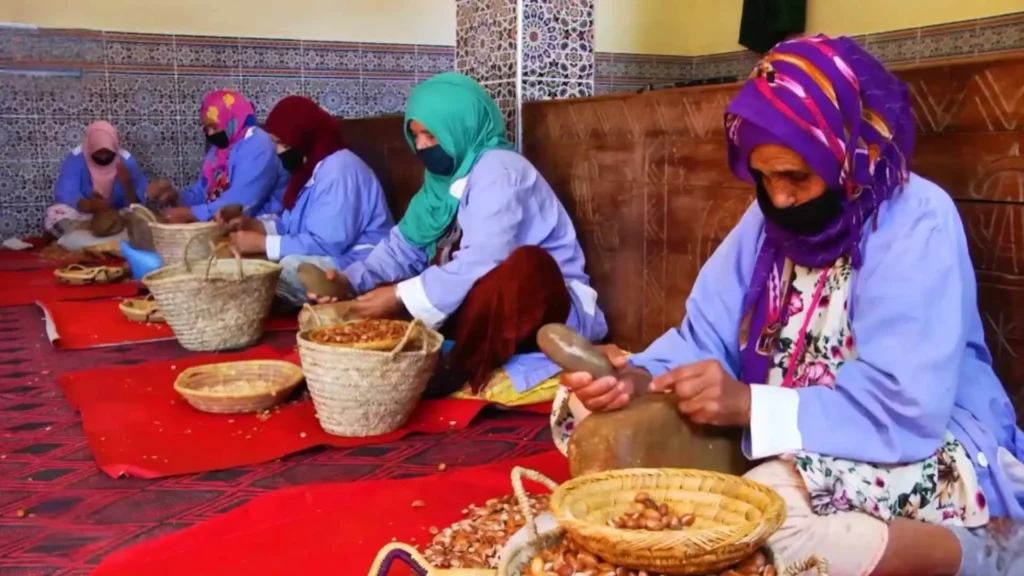
Women-run or artisan-run cooperatives sell directly to buyers with no middlemen. Prices are usually fixed, fair, and non-negotiable. Product quality tends to be consistent and verifiable. You will find argan oil cooperatives clustered between Agadir and Essaouira, rug cooperatives in the Middle Atlas, and ceramic workshops near Safi and Fez.
Best for: Anyone who wants guaranteed authenticity without the bargaining marathon, and anyone who cares about supporting local producers directly.
Fixed-Price Government Shops (Ensemble Artisanal)
Found in most major cities, these government-supervised artisan showrooms display handcrafted goods at set prices. Slightly more expensive than what a skilled negotiator might get in the souk — but they serve a purpose that most tourists overlook: price benchmarking.
Best for: First stop before hitting the souk. Walk through, check the prices and quality, then go negotiate in the medina knowing exactly what fair looks like.
Pro tip: Always visit the Ensemble Artisanal before you shop anywhere else. Treat it as your pricing reference guide. Once you know a medium leather bag runs 600 MAD at the fixed-price shop, a souk vendor asking 1,200 MAD has already lost the negotiation.
What to Buy in Morocco — 15 Products with Real Prices and Quality Tests
1. Argan Oil — The One Souvenir Everyone Asks About
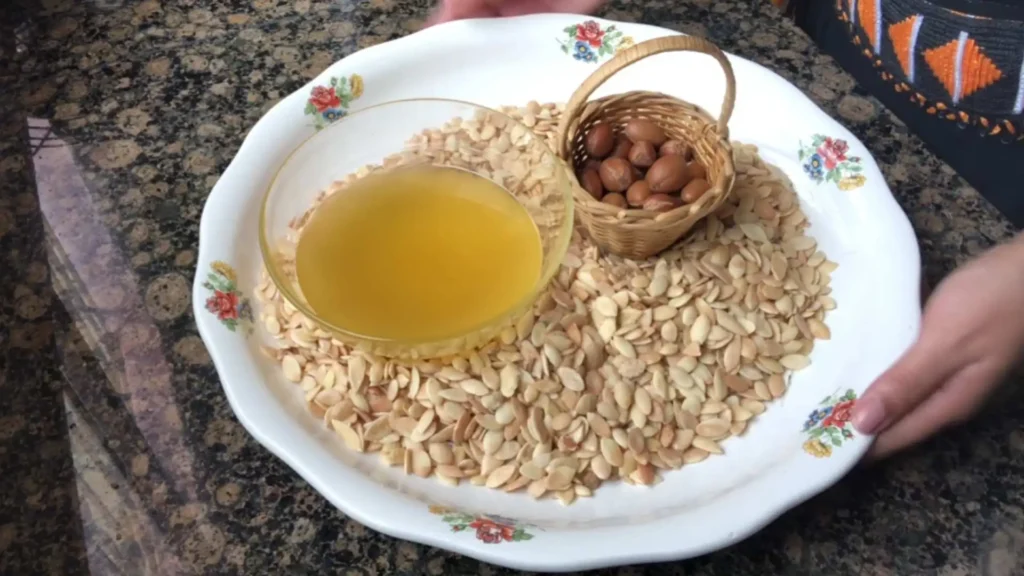
Argan oil comes from a tree that grows nowhere else in the world. There are two types: cosmetic (for skin and hair) and culinary (toasted, with a rich nutty flavor used in cooking and drizzled over bread). Both are worth buying — but only if they are real.
Fair prices:
- Cosmetic oil (100 ml): 50–150 MAD ($5–$15)
- Culinary oil (250 ml): 80–200 MAD ($8–$20)
- Culinary is pricier because roasting the seeds adds a labor-intensive step
How to spot the real thing:
- Smell: Genuine argan has a subtle, nutty scent. If it smells like nothing or hits you like perfume, it is adulterated
- Color: Dark gold for cosmetic, light brown for culinary. Pale yellow means it has been cut with cheaper oils
- Texture: Not greasy or sticky. Real cosmetic argan absorbs into skin quickly
- Packaging: Dark glass bottles preserve the oil. Clear plastic degrades it
Where to buy: Women’s cooperatives in the Souss-Massa region, between Agadir and Essaouira. Buying in Marrakech or Tangier will cost more and the quality is harder to verify.
2. Spices — And How to Tell Real Saffron From Dyed Imposters
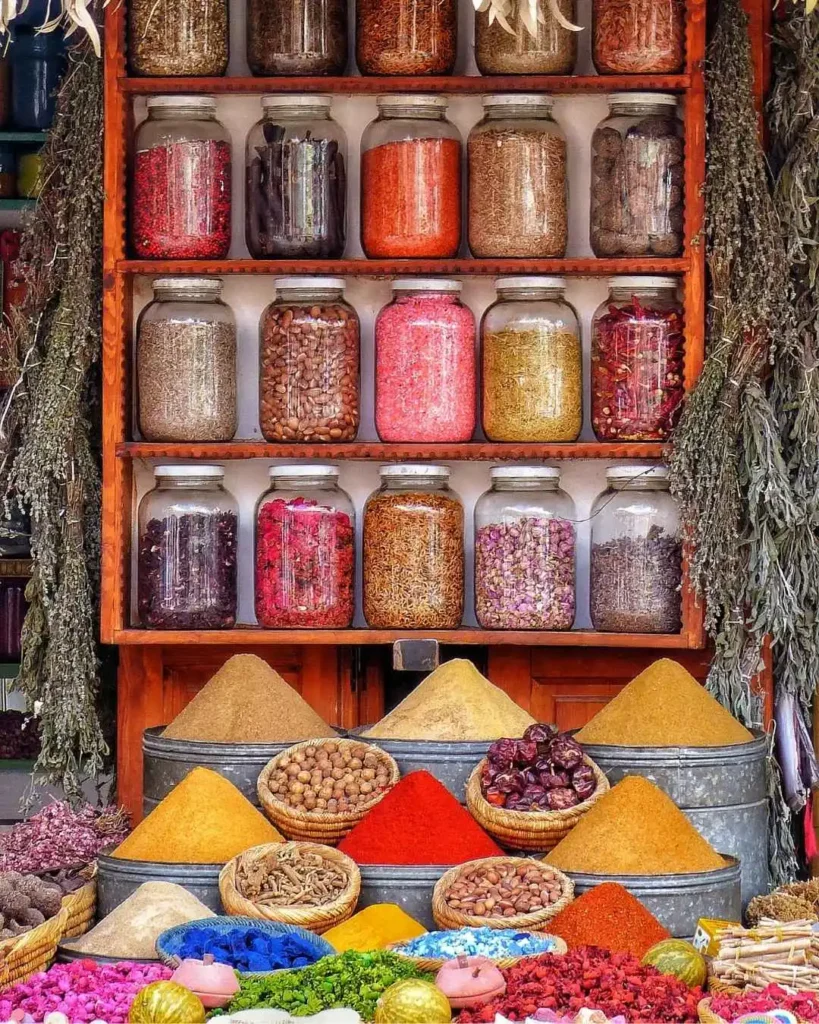
Morocco runs on spices, and two deserve special attention: ras el hanout (a blend of 15 to 30 spices unique to each vendor) and saffron.
Fair prices:
- Common spices per 50g (cumin, turmeric, paprika, cinnamon): 10–20 MAD ($1–$2)
- Ras el hanout per 50g (without saffron): 10–30 MAD ($1–$3)
- Saffron per gram: 20–40 MAD ($2–$4)
The saffron test — do this at the stall:
- Real saffron threads are multi-colored: deep red at the tips fading to orange-yellow at the base
- If every thread is uniformly red, it has been dyed
- Drop a thread into cold water: real saffron releases a golden-yellow tint slowly over several minutes. Fakes bleed color instantly
- Never buy ground saffron in a souk. It is almost always adulterated with safflower or dyed turmeric. Buy threads only
Where to buy: Taliouine is Morocco’s saffron capital and offers the best quality. In Marrakech, skip the stalls facing Jemaa el-Fnaa and head to Souk El Attarine or Rahba Kedima instead.
Insider move: Ask the vendor to grind spices fresh in front of you. If you see whole seeds going into the grinder, you are getting the real thing.
3. Berber Rugs — A Crash Course Before You Spend Serious Money
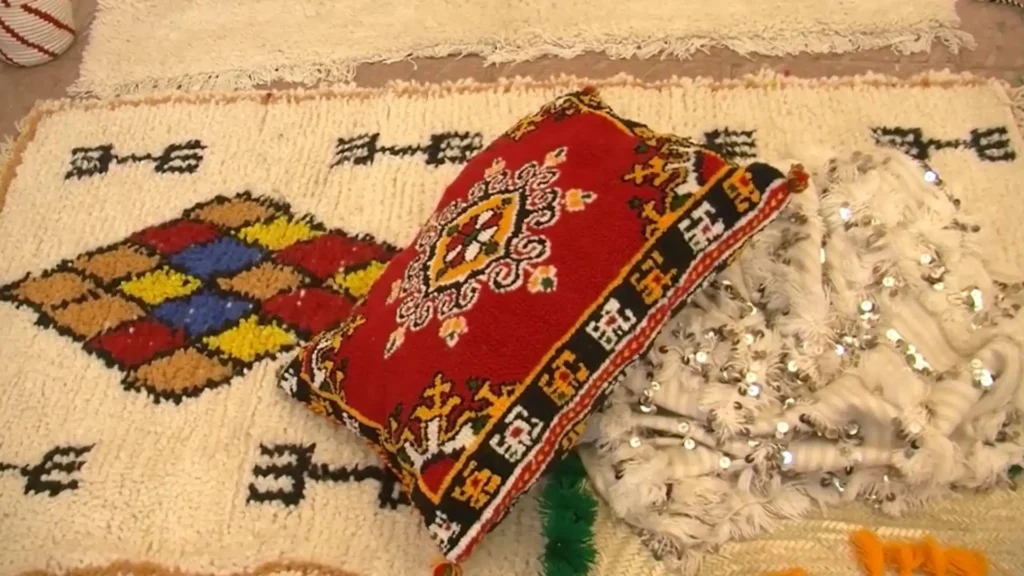
Moroccan rugs are not a single product — they are an entire world. Every Amazigh (Berber) tribe and region has its own weaving tradition, patterns, and color palette. Knowing the basics before you shop is the difference between a wise investment and an expensive impulse buy.
Main styles to know:
- Beni Ourain: Ivory wool with black or brown geometric lines. Currently the most sought-after style internationally
- Azilal: Vibrant colors with free-form Amazigh symbols. Each one is essentially a one-of-a-kind piece
- Zanafi: Black and white, reversible. Clean, graphic, modern-looking
- Kilim: Flat-woven, no pile. Lightweight and easiest to pack
- Boujad: Warm reds and pinks with diamond motifs. From eastern Morocco
Fair prices:
- Small rug (3 × 5 ft / 90 × 150 cm): 500–1,500 MAD ($50–$150)
- Medium (5 × 8 ft / 150 × 250 cm): 1,500–4,000 MAD ($150–$400)
- Large (8 × 11 ft / 250 × 350 cm): 4,000–8,000 MAD ($400–$800)
- Antique or rare pieces: significantly higher
Quality checks you can do on the spot:
- Flip the rug over and examine the back. Denser knots per square inch means higher quality
- Gently tug a single thread. If it pulls out easily, the weave is weak
- Natural wool has a slightly oily feel and a distinct scent. Synthetic fiber feels unnaturally smooth and smells like nothing
- Ask about dyes. Natural dyes (henna, indigo, saffron) last decades. Chemical dyes fade within years
Critical warning: Never let a vendor take your chosen rug to a back room for wrapping out of your sight. Rug swaps — where your selection gets replaced with an inferior piece during packaging — are a documented scam. Watch your rug from selection to final wrapping.
Where to buy: Fez and Marrakech for the widest selection. Middle Atlas villages (Azrou, Khenifra) to buy directly from weavers at lower prices.
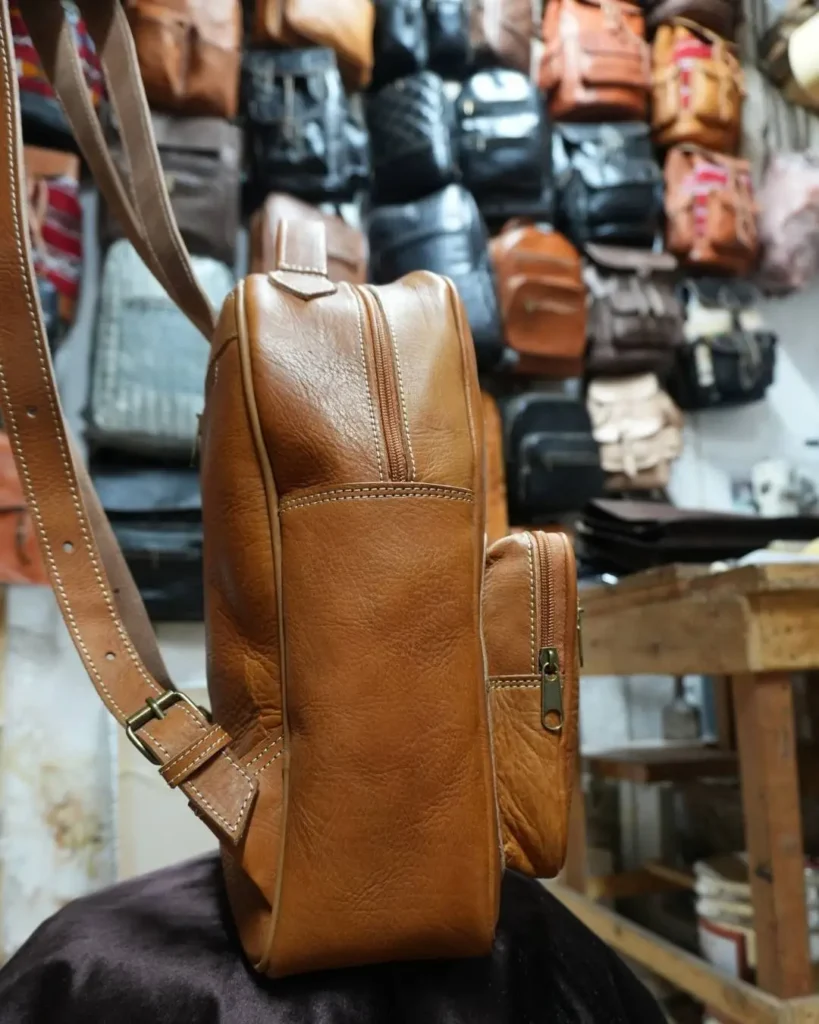
4. Leather Goods — Bags, Babouches, Poufs, and Jackets
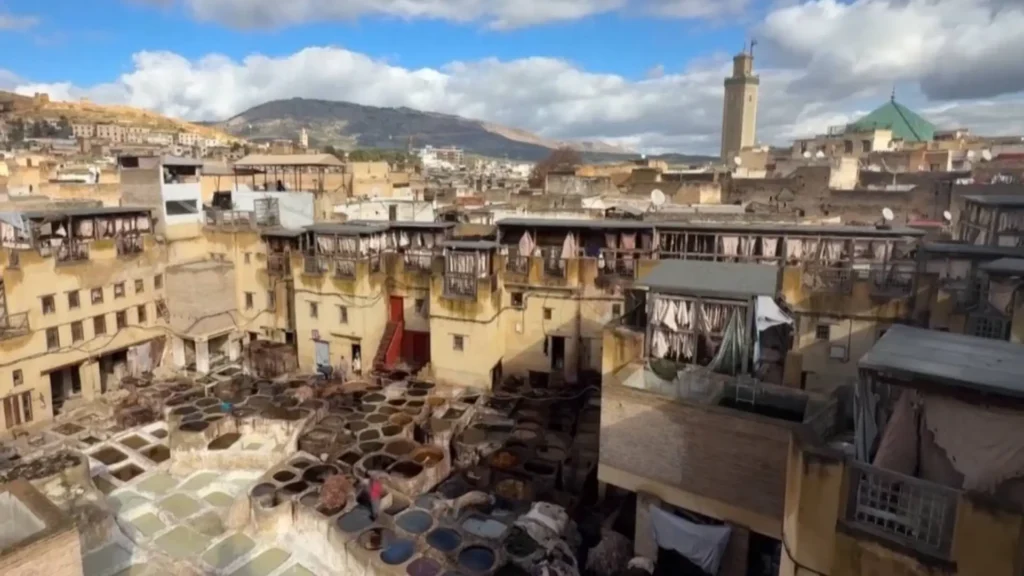
Moroccan leather has a global reputation, and the tanning process in Fez has barely changed in centuries. You will find everything from traditional slippers (babouches) to backpacks, jackets, and those iconic round leather poufs.
Fair prices:
- Babouches (traditional slippers): 80–250 MAD ($8–$25)
- Medium handbag: 400–1,000 MAD ($40–$100)
- Backpack: 500–1,500 MAD ($50–$150)
- Pouf, unstuffed: 150–400 MAD ($15–$40)
- Leather jacket: 2,000–3,500 MAD ($200–$350)
Quality checks:
- Leather types ranked by quality: goat (soft and durable), cow (thick and strong), camel (rugged and traditional), sheep (soft but less durable)
- Naturally tanned leather has a distinctive smell that fades over time. Chemically tanned leather retains a harsh odor
- Check the stitching: hand-stitched seams are slightly irregular — and that is actually a good sign. Perfectly uniform stitching means machine-made
- Press your finger into the leather and release. Good leather bounces back. If the dent stays, the quality is low or the leather is old
Where to buy: Fez, specifically shops near the Chouara Tannery. Marrakech sells the same products but at higher prices, since most of its leather comes from Fez anyway.
5. Ceramics and Pottery
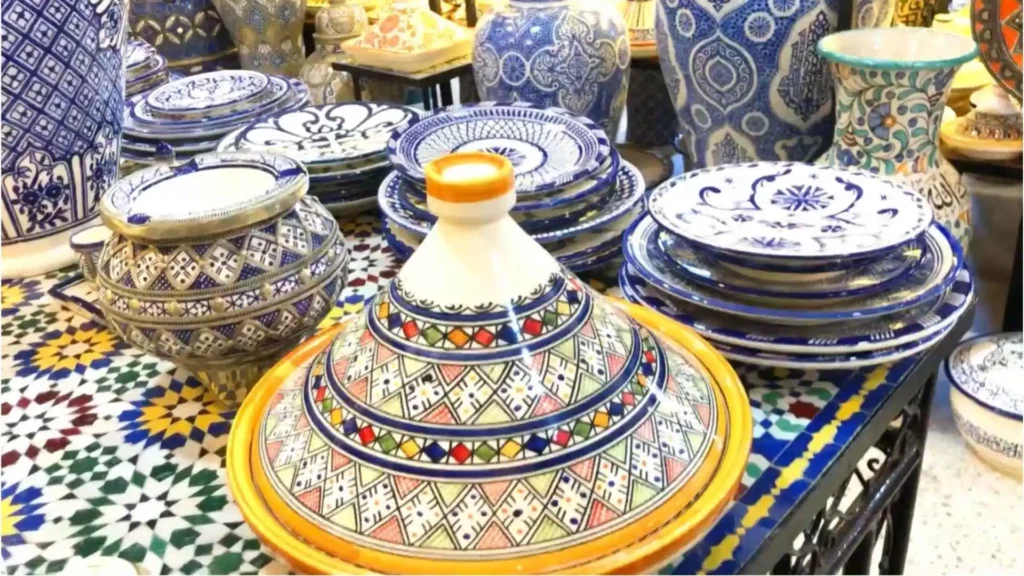
Moroccan ceramics feature bold geometric patterns and vivid glazes. Every region has its signature style, and the range runs from tiny decorative dishes to full-size functional tagines.
Fair prices:
- Small decorative plate: 20–50 MAD ($2–$5)
- Medium plate: 55–100 MAD ($5.5–$10)
- Functional tagine (for cooking): 100–300 MAD ($10–$30)
- Decorative tagine: 80–200 MAD ($8–$20)
- Spice holder: 40–80 MAD ($4–$8)
Quality checks:
- Tap the piece gently. A clear, resonant ring means solid craftsmanship. A dull thud means fragile construction
- Inspect the glaze surface. Even coverage is good. Bubbles or hairline cracks in the glaze indicate poor firing
- Cooking tagines should be unglazed on the inside. Decorative glazes may contain materials that are not food-safe
- Hand-painted pieces show slight variations between individual items. If every piece on the shelf looks identical, the work is factory-produced
Where to buy: Fez (traditional blue-and-white), Safi (Morocco’s pottery capital), Marrakech (widest variety).
6. Brass Lanterns and Metal Lamps
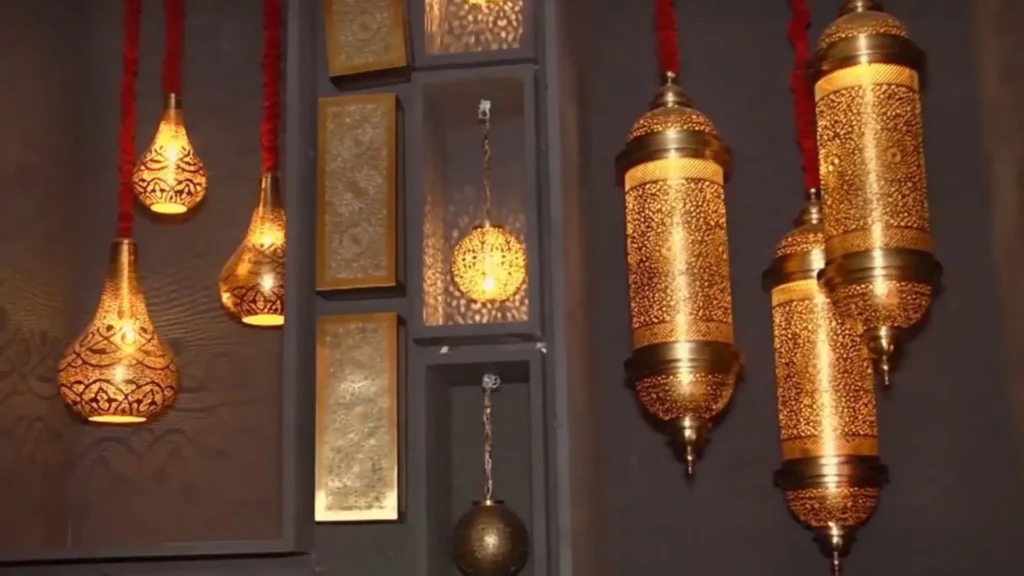
Moroccan pierced-metal lanterns cast intricate shadow patterns across any room. Options range from small tabletop pieces to massive hanging chandeliers.
Fair prices:
- Small lightweight lantern: 100–300 MAD ($10–$30)
- Medium metal lantern: 300–700 MAD ($30–$70)
- Large lantern with colored glass: 700–2,000 MAD ($70–$200)
Quality checks:
- Weight matters. Heavier means thicker metal and greater durability
- Examine the piercing pattern. Hand-punched holes show slight irregularities — machine-made holes are perfectly uniform
- Colored glass panels look beautiful but are fragile for travel
- If every lantern in the shop looks factory-identical with a flawless polish, they are likely imports, not locally handcrafted
Practical note: Most lanterns come wired for Moroccan electrical outlets. You will need to rewire the fixture to match your home country’s electrical system.
Where to buy: Marrakech — Souk Haddadine is the blacksmith quarter where these pieces are actually made.
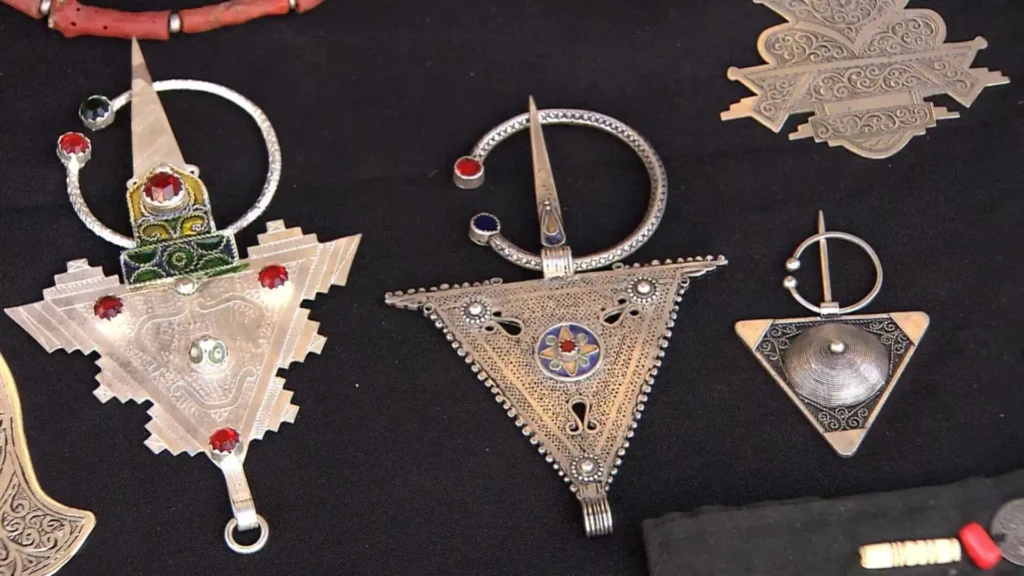
7. What to Buy in Morocco for Jewelry Lovers — Silver Amazigh Pieces
Traditional Amazigh jewelry is not fashion — it is cultural storytelling in metal. Every piece carries symbolism: protection, fertility, strength. Silver, not gold, is the traditional metal of Berber craftsmanship.
Fair prices:
- Silver ring: 50–200 MAD ($5–$20)
- Bracelet: 100–500 MAD ($10–$50)
- Traditional necklace: 200–1,000 MAD ($20–$100)
- Fibula (cloak pin): 150–600 MAD ($15–$60)
- Antique pieces: multiples of these ranges
How to verify silver:
- Look for a hallmark stamp (925 or similar), though older traditional pieces may not carry one
- Real silver oxidizes over time, developing a dark patina. Perpetual shine may indicate plating over base metal
- Use a magnet if you have one: silver is not magnetic. If the piece sticks, it is not solid silver
Where to buy: Tiznit (Morocco’s silver capital), plus the souks of Marrakech and Fez.
8. Black Soap (Savon Beldi) and Rhassoul Clay
Two staples of the traditional Moroccan hammam (bathhouse) experience. Black soap is made from olive oil and black olive paste. Rhassoul is a natural mineral clay from the Middle Atlas used on skin and hair.
Fair prices:
- Black soap (250g): 20–50 MAD ($2–$5)
- Rhassoul clay (250g): 15–40 MAD ($1.5–$4)
- Kessa glove (exfoliating mitt): 10–30 MAD ($1–$3)
- Full hammam kit (soap + clay + glove + rose water): 80–150 MAD ($8–$15)
Quality checks:
- Authentic black soap has a dark paste-like consistency — not a hard bar. If it is completely solid, it is not the traditional product
- Real rhassoul clay is gray-brown with a natural earthy feel. White or heavily perfumed versions have been industrially processed
- Buy from traditional herbalists (attarine), not from tourist-oriented boutiques with luxury packaging and inflated prices
9. Rose Water
Moroccan rose water is distilled from Damask roses grown in the Valley of Roses near Kelaat M’Gouna. Used as a skin toner, in cooking, and in pastries.
Fair prices:
- Small bottle (100 ml): 15–30 MAD ($1.5–$3)
- Large bottle (500 ml): 40–80 MAD ($4–$8)
Quality checks:
- The label should read “100% natural rose distillate.” Avoid anything listing alcohol or synthetic fragrance
- The scent should be delicate, not overpowering. If it smells like perfume rather than flowers, it is not naturally distilled
Best season to buy: May, during the rose harvest, when the product is freshest. Available year-round elsewhere.
10. Thuya Wood — Essaouira’s Hidden Treasure
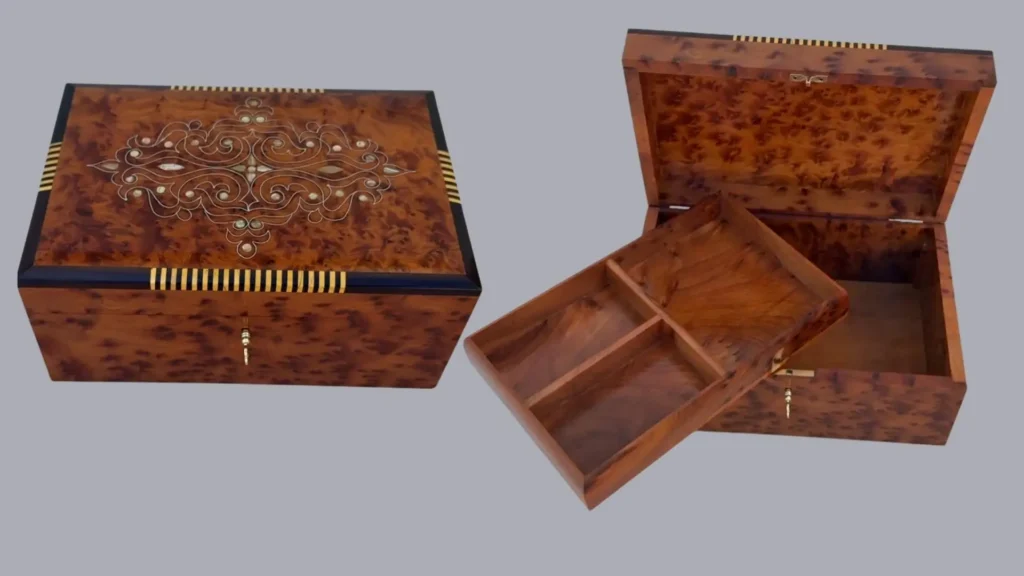
The thuya tree grows in the Essaouira region, and local artisans shape its aromatic wood into boxes, chess sets, desk accessories, and decorative pieces. The distinctive scent lasts for years.
Fair prices:
- Small box: 30–80 MAD ($3–$8)
- Medium decorated box: 100–300 MAD ($10–$30)
- Chess set: 200–800 MAD ($20–$80)
- Magic box (puzzle box with hidden opening mechanism): 70–200 MAD ($7–$20)
What makes this special: Magic boxes require a specific motion to open — sliding a hidden panel, holding the box a certain way, or finding a concealed compartment with a tiny key. They make unforgettable gifts.
Where to buy: Essaouira exclusively. You will find thuya products in Marrakech, but at marked-up prices.
11. Traditional Clothing — Kaftans and Djellabas
The kaftan is Morocco’s elegant ceremonial garment, while the djellaba is a hooded everyday robe worn by men and women. Both come in simple everyday versions and heavily embroidered luxury editions.
Fair prices:
- Simple cotton djellaba: 200–500 MAD ($20–$50)
- Wool djellaba: 400–1,000 MAD ($40–$100)
- Simple kaftan: 300–800 MAD ($30–$80)
- Embroidered luxury kaftan: 1,000–5,000+ MAD ($100–$500+)
- Scarf or shawl: 50–200 MAD ($5–$20)
Practical note: A lightweight djellaba doubles as a supremely comfortable house robe anywhere in the world. One of the most underrated things to pack home.
12. Moroccan Mint Tea and Tea Sets
Mint tea is not just a drink in Morocco — it is a social ritual. You can bring home loose green tea and dried mint, or invest in a full tea set: an ornate metal teapot with hand-painted glasses.
Fair prices:
- Loose green tea (100g): 10–30 MAD ($1–$3)
- Metal teapot: 100–400 MAD ($10–$40)
- Painted tea glasses (set of 6): 60–200 MAD ($6–$20)
- Complete set (teapot + glasses + tray): 300–1,000 MAD ($30–$100)
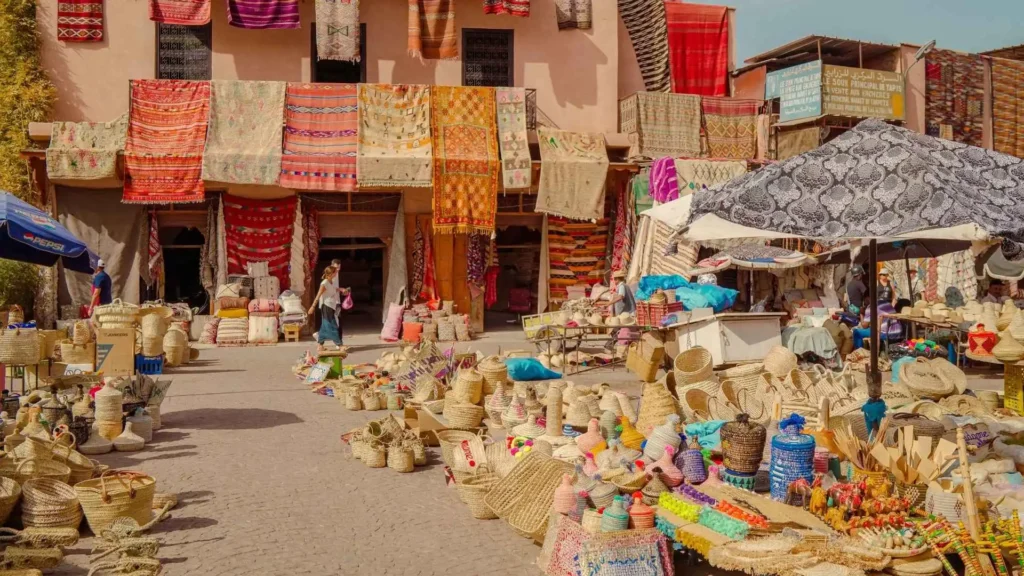
13. Straw Baskets and Woven Bags
Moroccan straw bags have blown up on social media and in international fashion. Available in every shape imaginable — market totes, structured handbags, storage baskets — often decorated with pom-poms, embroidery, or leather trim.
Fair prices:
- Small straw bag: 50–100 MAD ($5–$10)
- Medium decorated bag (pom-poms or embroidery): 100–250 MAD ($10–$25)
- Large market basket: 80–200 MAD ($8–$20)
Where to buy: Marrakech, near Café des Épices in Rahba Kedima. Many vendors offer on-the-spot customization — choose your pom-pom colors, add embroidery, or attach leather handles.
14. Fossils
Morocco is one of the richest fossil sites on the planet, with specimens dating back hundreds of millions of years. Ammonites, trilobites, and marine fossils are widely available.
Fair prices:
- Small ammonite: 20–100 MAD ($2–$10)
- Medium polished specimen: 100–500 MAD ($10–$50)
- Large or rare pieces: 500+ MAD
Watch out for: Some fossils on display are fabricated or assembled from fragments. Genuine specimens are naturally embedded in rock. If a piece looks flawless and perfectly symmetrical, it may have been artificially shaped.
Customs note: Common fossils require no export paperwork. Large or museum-quality specimens may need documentation.
15. Desert Roses
Not actual flowers — desert roses are natural mineral formations created by gypsum and sand crystallization in the Sahara. They look like stone petals frozen mid-bloom. Affordable, unique, and nearly impossible to find outside Morocco.
Fair price: 10–100 MAD ($1–$10) depending on size.
Where to buy: Ouarzazate and towns near the desert.
What to Buy in Marrakech, Fez, and Other Moroccan Cities
Not everything should be bought everywhere. Different Moroccan cities specialize in different crafts, and buying at the source means better quality and lower prices.
Marrakech — Spices, Lanterns, and Straw Bags
Marrakech is Morocco’s busiest shopping destination, which also makes it the most expensive. Tourist density drives prices up. The city’s strengths are spices, metalwork lanterns, and woven straw bags. Skip the leather goods here if Fez is on your itinerary — you will find the same products there at better prices, sourced directly from the tanneries.
Key souks to visit:
- Rahba Kedima: spices and straw baskets
- Souk Haddadine: lanterns and metalwork
- Souk El Attarine: perfumes and spices
- Ensemble Artisanal: fixed-price reference point
Read also: Marrakech Souks: Where Getting Lost Is Part of the Adventure
Fez — Leather, Pottery, and Rugs
Fez is Morocco’s artisan capital. The Chouara Tannery has operated using the same methods for over a thousand years. If you are serious about buying leather goods or traditional blue-and-white ceramics, this is the city.
Best buys: Leather goods (direct from source), blue-and-white Fassi pottery, hand-woven rugs, embroidered linens.
Essaouira — Thuya Wood and Art
A laid-back coastal town with an artistic soul. The primary draw is thuya woodcraft — boxes, chess sets, magic boxes — found nowhere else in Morocco at this quality. Also strong on argan oil, with cooperatives nearby.
Best buys: Thuya wood products, argan oil from nearby cooperatives, local art.
Chefchaouen — Handwoven Woolens
The Blue City is famous for its hand-dyed wool textiles. Blankets, scarves, and woven lantern covers here have a distinct character you will not find in the rest of Morocco.
Best buys: Wool blankets in deep blues and bright colors, woven scarves, artisan soaps.
Casablanca — Modern Shopping Without Bargaining
If you prefer a contemporary retail experience with fixed prices and air conditioning, Casablanca’s malls (Morocco Mall, for example) offer Moroccan products in modern packaging. Prices run higher, but the quality is assured and the experience is hassle-free.
How to Bargain in Moroccan Markets — 7 Rules That Actually Work
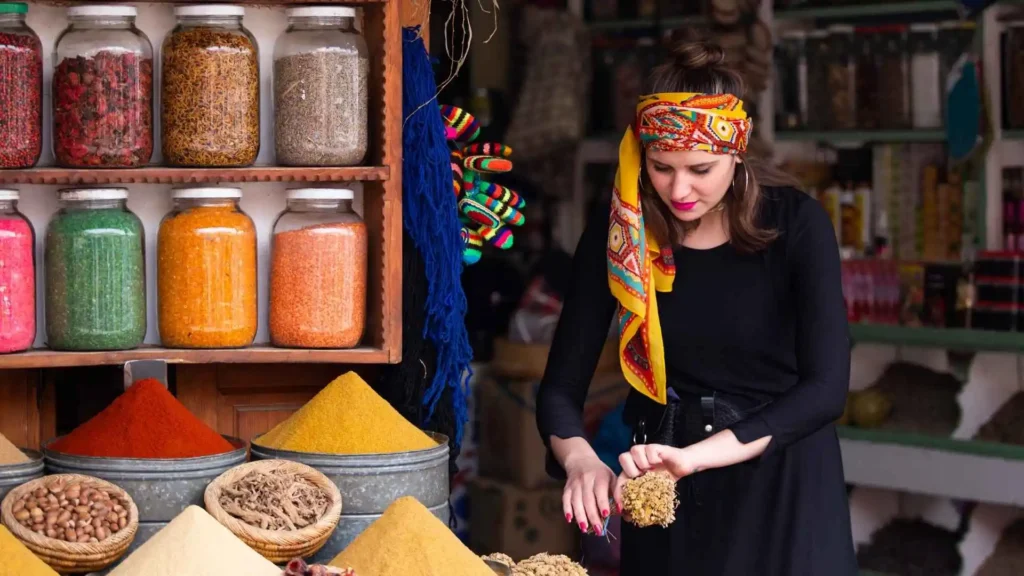
Haggling in Morocco is not a fight — it is a social exchange, and most of the time, both sides genuinely enjoy it. These rules will make you more effective without making it awkward.
1. Control your excitement. When something catches your eye, do not reach for it immediately. Browse the shop casually and ask about other items first.
2. Start at half the asking price. If the vendor opens at 400 MAD, counter at 200 and work toward 250–300. This is not insulting — it is expected.
3. Compare before you commit. Visit at least three shops selling the same type of product. This gives you a clear picture of the fair price range and real negotiating leverage.
4. Be willing to walk away. Your most powerful tool is heading toward the door. If the price is genuinely fair, the vendor will call you back. If not, you already know a better deal exists elsewhere.
5. Pay in cash, carry small bills. Cash gives you additional negotiating power. Small denominations (20 and 50 MAD notes) prevent the classic “I do not have change” situation.
6. Learn three words of Darija. Even a basic greeting in Moroccan Arabic — “Salam alaikum” (hello), “Bshhal hada?” (how much is this?) — shifts the entire dynamic. It signals respect and instantly warms the interaction.
7. Smile more than you argue. A lighthearted tone consistently gets better results than stone-faced intensity. Moroccan vendors appreciate humor and respond to it. The best deals often happen over a shared laugh and a glass of mint tea.
What NOT to Buy — Tourist Traps to Watch For
Not everything that glitters in a Moroccan souk is worth your money. Here are the most common traps.
Imported goods sold as Moroccan handmade. Some lanterns, scarves, and bags are mass-produced imports from China or India, marketed as local artisan work. The tell: if every piece on the shelf is perfectly identical, it came from a factory.
Diluted argan oil. Bottles priced under 30 MAD for 100 ml are almost certainly cut with cheaper vegetable oils. Buy from cooperatives only.
Fake saffron. Ground saffron sold at bargain prices is typically safflower or dyed turmeric. Buy threads only, and use the water test described above.
Artificially aged “antiques.” Some sellers age new items — rugs, jewelry, metalwork — to look old and charge antique prices. Unless you are an expert, do not pay antique premiums.
Products from endangered species. Certain reptile skins, feathers, and animal products may be seized at customs and can result in legal trouble. Avoid entirely.
Read also: Can You Drink Alcohol in Morocco? What Every Tourist Needs to Know in 2026
Customs and Export Rules — What Can You Take Home?
Allowed without restrictions:
Commercially packaged spices, argan and olive oil, textiles and rugs, traditional clothing, ceramics, leather goods
Requires declaration or documentation:
Items sold as antiques (over 100 years old) need export paperwork. Large fossils may require permits.
Prohibited:
Products from endangered species, cannabis products (widely available but illegal to export), counterfeit designer goods (subject to seizure)
Important: Check your home country’s customs regulations before buying. Some countries — particularly Australia and New Zealand — restrict food product imports, including spices and oils.
Packing tips: Wrap ceramics and fragile items in clothing and place them in the center of your checked luggage. Vacuum compression bags work perfectly for rugs and blankets. Keep all receipts accessible in case customs has questions.
Frequently Asked Questions About Shopping in Morocco
What Are the Best Morocco Souvenirs Under $5?
Spices (especially ras el hanout), black soap, a small thuya wood box from Essaouira, a mini straw bag, or a desert rose. All authentic, lightweight, and under 50 MAD.
Can I Use a Credit Card in Moroccan Markets?
In traditional souks and small shops, cash is the only accepted payment. Credit cards work in major stores, hotels, and upscale restaurants only. Always carry small bills in 20 and 50 MAD denominations.
What Spices Should I Buy in Morocco as Gifts?
Ras el hanout is the top choice — a unique blend you will not find replicated anywhere else in the world. Moroccan saffron from Taliouine is excellent but pricier. Cumin and turmeric are also high quality and very affordable.
What Beauty Products Are Worth Buying in Morocco?
Argan oil (cosmetic grade) is the obvious choice, but do not overlook black soap, rhassoul clay, and rose water from the Valley of Roses. Together, they make a complete traditional hammam kit — a distinctive gift that feels personal and luxurious.
What Clothes Should I Buy in Morocco?
A lightweight cotton djellaba is the most versatile purchase — it works as a house robe anywhere. For something dressier, a simple embroidered kaftan makes a statement. Wool scarves and shawls from Chefchaouen are also excellent for their unique colors and textures.
How Much Budget Should I Set Aside for Shopping?
For a solid collection of small gifts (spices, soap, accessories): 500–1,000 MAD ($50–$100). If you plan to buy a rug or premium leather goods, add 2,000–5,000 MAD on top.
Can I Ship Large Purchases Home?
Yes. Many shops in Marrakech and Fez offer international shipping, especially for rugs and furniture. Get the shipping details in writing — cost, delivery timeline, tracking number — and photograph every item before handing it over.
Is Bargaining Required Everywhere?
No. Bargaining only applies in traditional souks. Prices are fixed in malls, cooperatives, and Ensemble Artisanal stores.
What Is Cheap to Buy in Morocco Compared to Back Home?
Spices, argan oil, leather goods, and handwoven rugs are dramatically cheaper at the source. A Beni Ourain rug that retails for $800+ in a Western boutique can be purchased for $150–$400 in Morocco. Argan oil costs a fraction of what specialty stores charge in Europe or the United States.
Final Thoughts
Shopping in Morocco is unlike anything you will experience in a department store or an online marketplace. Every souk stall sits at the end of a craft tradition that stretches back generations, and every dirham you spend at a local workshop directly supports a family keeping that tradition alive.
But the experience rewards preparation. Know what you want before you walk in. Compare prices across multiple shops. Never rush a decision. And remember that the best purchases are the ones you chose calmly because you genuinely loved them — not the ones you grabbed because a vendor was convincing and the moment felt urgent.
Take your time. Trust your instincts. And when you finally unpack that rug, uncork that argan oil, or light that first candle inside a pierced-metal lantern back home — every minute you spent negotiating will feel absolutely worth it.
Read also: