At a Glance _ Morocco Beaches: The Essentials
- Over 3,500 km of coastline split between the Atlantic Ocean and the Mediterranean Sea
- 300+ days of sunshine per year — beach season runs twelve months
- 28 beaches awarded the Blue Flag certification in 2025
- World-class surf spots in Taghazout, Imsouane, and Dakhla
- Award-winning beach resorts recognized by the World Travel Awards
- Water activities for every level: from family swimming to professional kitesurfing
Table of Contents
When most travelers think of Morocco, they picture labyrinthine medinas, steaming tagine pots, and camel treks across Saharan dunes. Fair enough — those things are spectacular. But there is another side to this country that rarely gets the attention it deserves: a coastline stretching over 3,500 kilometers, split between two bodies of water with completely different personalities. The Atlantic hits hard — powerful swells, relentless trade winds, and some of the longest rideable waves on the planet. The Mediterranean, meanwhile, offers warm, sheltered bays where you can float for hours without a care.
I wrote this guide for anyone considering Morocco as a beach destination — whether you are looking for the best beaches in Morocco to unwind on, chasing world-class Morocco surf spots, searching for a luxury Morocco beach resort, or simply hoping to eat charcoal-grilled fish on a quiet stretch of sand while listening to the ocean. By the time you finish reading, every question you had should have an answer.
Morocco’s Coast: Two Seas, Two Entirely Different Experiences
The first thing to understand about Morocco’s coastline is that you are dealing with two oceans, not one. The difference is not just geographical — it shapes the rhythm, the mood, and the kind of trip you will have.
The Atlantic Coast: Where the Ocean Sets the Rules
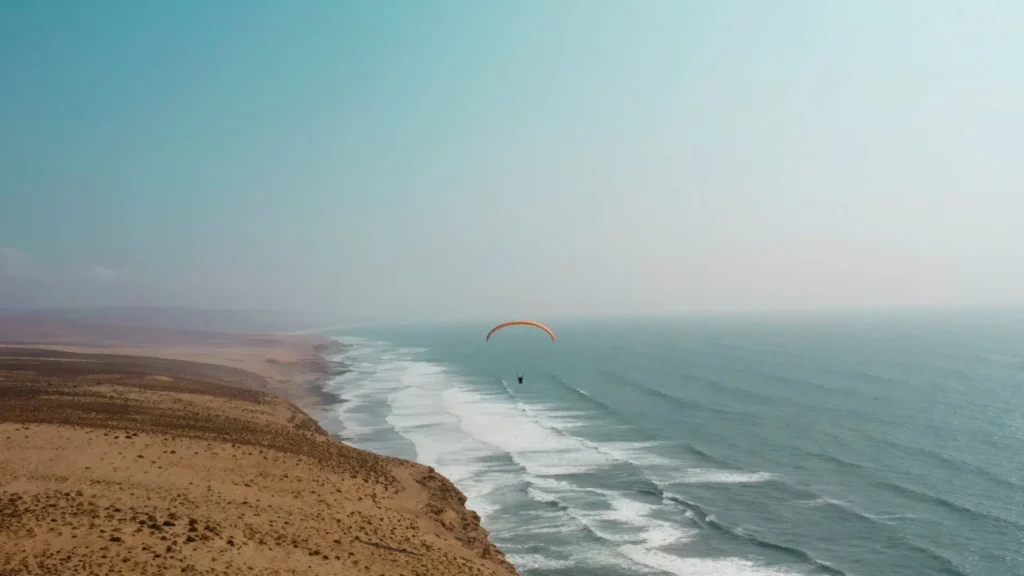
Morocco’s Atlantic coast runs roughly 2,940 kilometers from Tangier in the north all the way down to Dakhla in the deep south. This is a landscape of wide sandy beaches, rocky headlands, and the steady northeast trade winds — known locally as the “Alizé” — that have turned cities like Essaouira and Dakhla into global hubs for kitesurfing and windsurfing in Morocco. The swells here build across thousands of miles of open ocean before breaking on Moroccan shores, producing the long, consistent waves that put this country on every surfer’s map.
Atlantic water temperatures range between 16°C and 22°C depending on the season, which means you will need a wetsuit most of the time (3/2mm in summer, 4/3mm in winter). But the sun is relentless year-round — Agadir alone gets over 300 days of sunshine annually, making it the country’s premier beach destination.
The Mediterranean Coast: Warm Water, Hidden Coves
The Mediterranean side stretches only about 500 kilometers, from Tangier east to Saïdia near the Algerian border. What it lacks in length, it makes up for in warmth and calm. The water here is significantly warmer, the waves far gentler, and the Rif Mountains plunge directly into the sea, creating small hidden coves and secluded beaches — some accessible only on foot or by small boat. If snorkeling in Morocco or scuba diving is on your agenda, this is where the real surprises are.
Surfing in Morocco: Taghazout and the Surf Spots That Built a Reputation
You cannot talk about surfing in Morocco without starting in Taghazout. This small village, thirty minutes north of Agadir, was nothing more than a fishing settlement until the 1960s, when a wave of European surf seekers — part of the hippie trail — stumbled onto what the locals had never thought to market: a concentration of world-class point breaks stretching along the coast.
Today, Condé Nast Traveler has called Taghazout the “Capital of Cool,” and the village walks a fine line between its original fishing-village soul and the Fairmont and Hyatt Regency properties that now anchor its bay. But what matters most — whether you are a beginner or a seasoned rider — is what is happening in the water.
Best Surf Spots in Taghazout
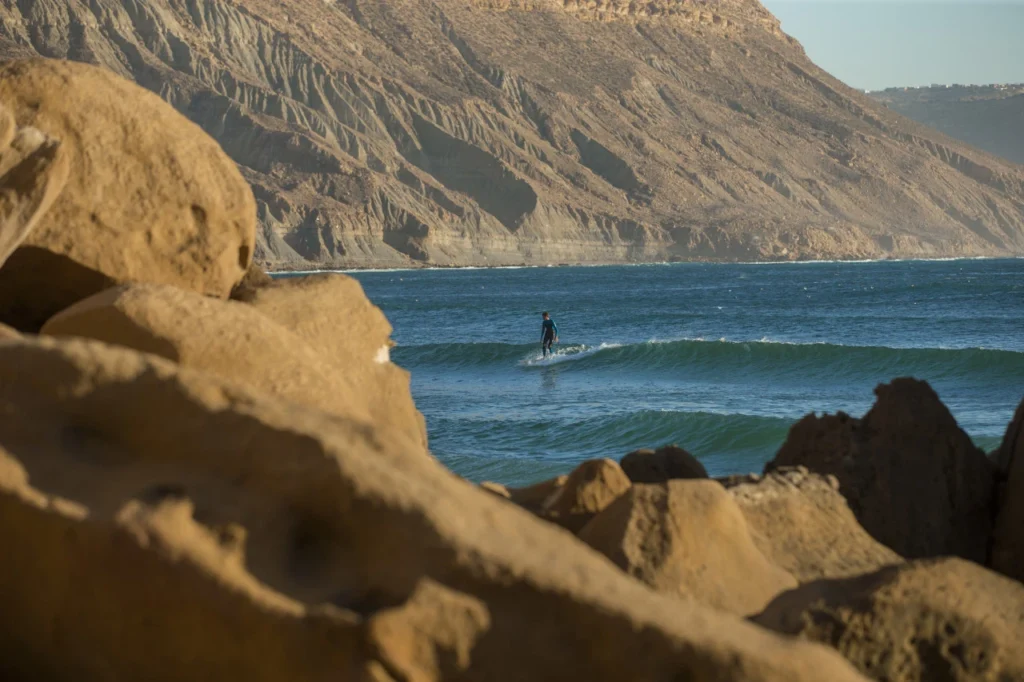
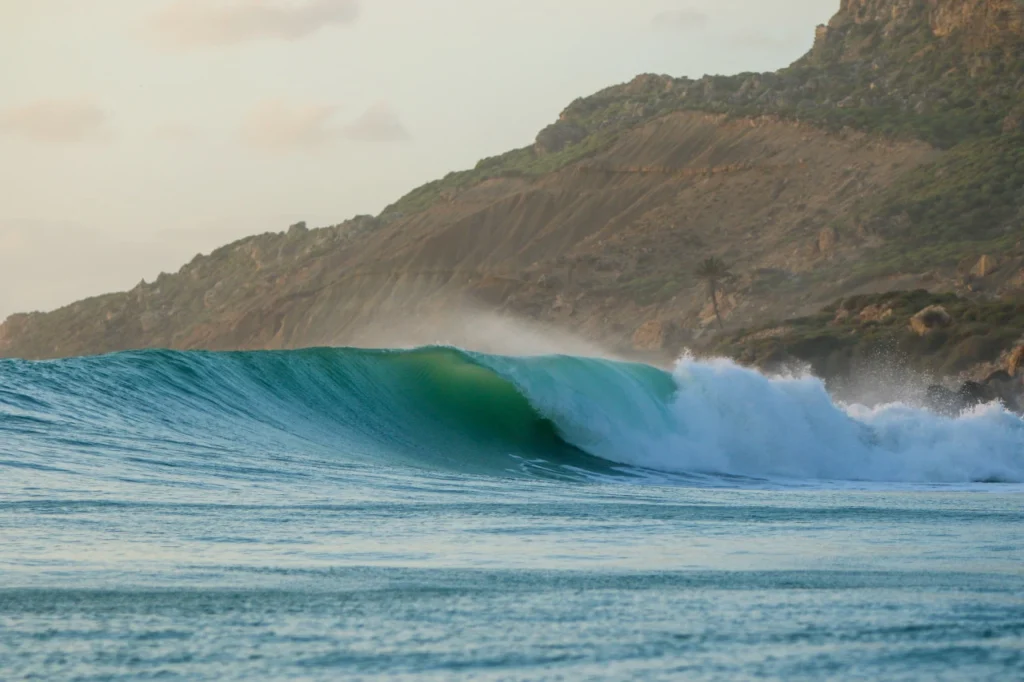
Anchor Point: The wave that put Taghazout on the world surfing map. A powerful right-hand point break that can deliver rides of 300 to 500 meters when the swell cooperates. Its name comes from a traditional tuna-fishing technique once used by the village. This is not a beginner wave — it demands experience and ocean literacy. Moroccan big-wave surfer Othmane Choufani, one of the country’s most prominent riders, puts it simply: “If you are an experienced surfer, go to Anchor Point. But know your level and do not hesitate to ask locals for advice.”
Killer Point: Named after the orca whales once spotted offshore. A technical, fast wave that tests your skill with powerful, hollow sections.
Banana Point: Located at the river mouth in Aourir (“Banana Village”), this is the go-to for beginners and intermediates — sandy bottom, long, forgiving waves. Choufani recommends it as an ideal starting point for anyone learning the fundamentals.
La Source: Distinguished by a freshwater spring that seeps from the rocks — a surreal sight — this spot offers both rights and lefts suited to intermediate riders.
Surf Camps in Morocco: More Than Just Waves
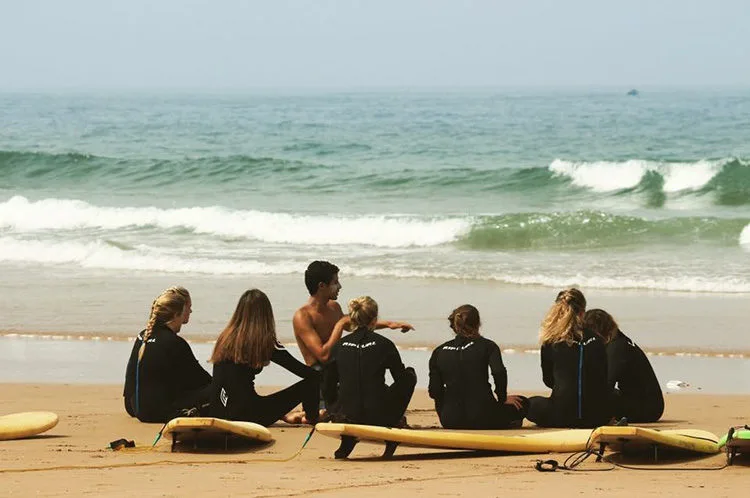
The concept of the Morocco surf camp has matured into a full-service industry in Taghazout. Operations like Surf Berbere and Dar Surf offer packages that bundle accommodation, traditional Moroccan meals (think baghrir pancakes with honey for breakfast, fresh-caught fish for lunch), board rental, and daily coaching from local instructors who know the timing and temperament of every break. Prices remain far more reasonable than equivalent destinations in Europe or Australia — board rental starts around £10 per day, and lessons run between €20 and €50 per hour.
A practical tip: the neighboring village of Tamraght offers a quieter, cheaper base with easy access to the same surf spots. Experienced travelers consistently prefer it to Taghazout itself.
Taghazout Beyond the Water: Yoga, Sunsets, and Slow Living
Taghazout has also become a draw for yoga enthusiasts — imagine starting your morning with a session on a terrace overlooking the Atlantic, surfing through the afternoon, and finishing the day with mint tea while the sun drops into the ocean. This blend of sport, meditation, and deliberate slowness is what led Lonely Planet to rank Taghazout as one of the best places to learn surfing.
Surf Imsouane Morocco: Africa’s Longest Wave in a Fishing Village
An hour and a half north of Taghazout lies Imsouane — the kind of place surfers used to keep to themselves. A small fishing village with dirt roads, blue wooden boats, and modest houses, it harbors what experts describe as the longest rideable wave in Africa.
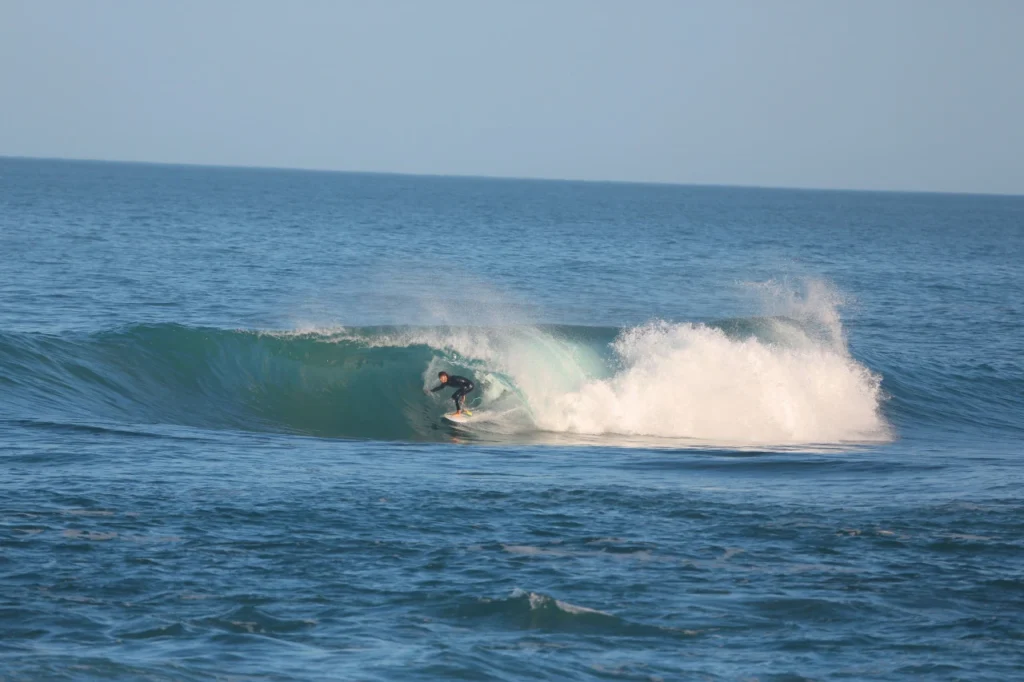
Imsouane’s bay (La Baie) produces a long, mellow sand-bottom wave where rides regularly exceed 600 meters — and can stretch past 800 meters in ideal conditions. For beginners, this wave is about as close to a dream as it gets: slow enough to find your balance, long enough to actually feel the thrill of gliding. For a more challenging ride, the Cathedral break on the opposite side of the village delivers steeper, faster walls suited to shortboarders.
Saad Abid, former Moroccan surf champion and founder of the ocean conservation association Bahri, considers Imsouane one of the best places to learn surfing in Morocco thanks to its long waves that “give you the time you need to develop.”
What sets Imsouane apart even more than its waves is that it still feels like an actual fishing village. Every afternoon, the colorful boats return loaded with fresh sardines, sea bream, and sometimes octopus. You can buy directly from the fishermen and have it grilled on the beach by a local vendor. No restaurant replicates that experience.
Kitesurfing Morocco: Essaouira’s Trade Winds and Heritage Medina
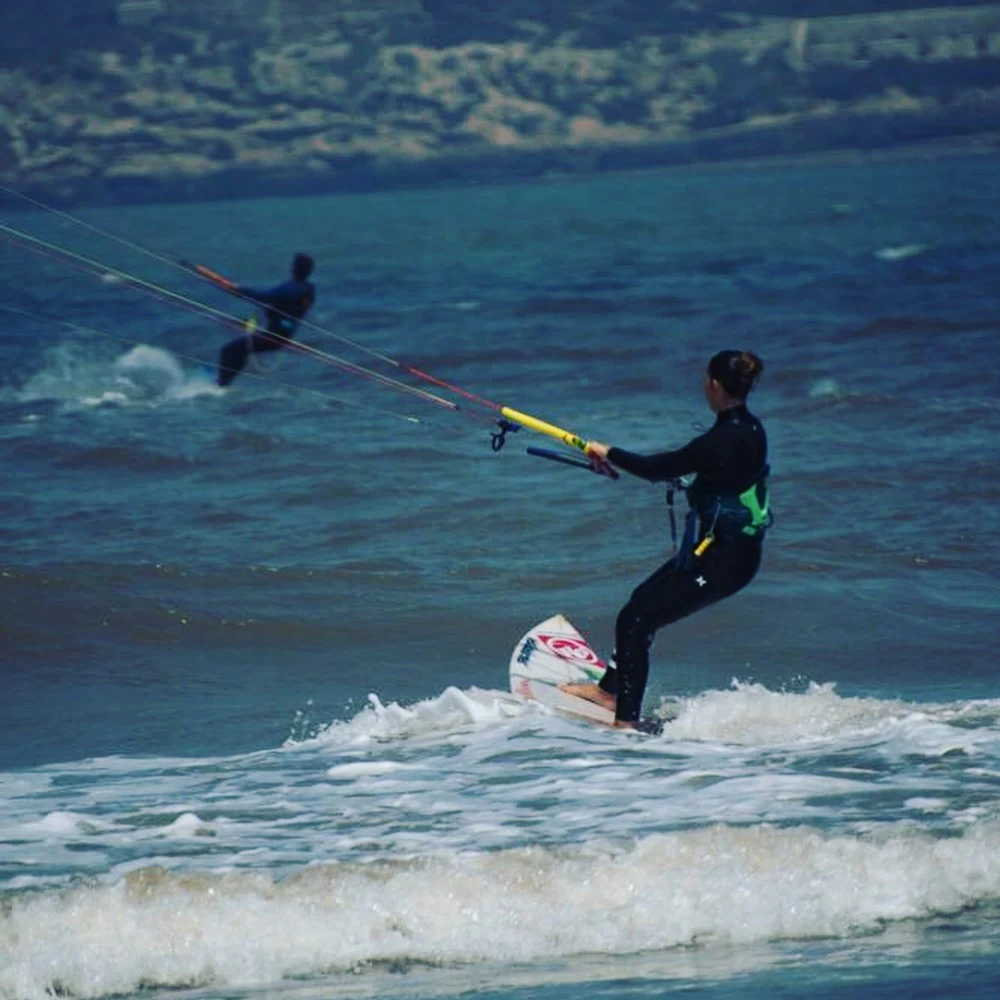
When you arrive in Essaouira, one thing hits you immediately: the wind never stops. This fortified UNESCO World Heritage city sits in a corridor of trade winds that blow hardest between April and October, making it one of the world’s premier destinations for windsurfing and kitesurfing. Essaouira’s kitesurf scene — anchored by reputable schools like Ion Club — draws riders from across Europe and beyond.
National Geographic has strongly recommended adding Essaouira to any Morocco itinerary, noting that the Alizé trade winds create a coastal identity unlike anywhere else. Lonely Planet ranks it as the region’s top windsurfing destination.
But Essaouira is not just a wind-sports venue. It is a city with genuine artistic soul — the Atlantic-facing medina alleys, the fishing port where you can buy fresh fish and have it grilled at the adjacent stalls with Moroccan salad and warm bread, the mingling sounds of seagulls and wind. If you want a relaxed beach with good facilities, excellent summer weather, and genuine cultural depth, Essaouira delivers.
Sidi Kaouki, 25 kilometers south of Essaouira, offers a more isolated alternative with strong, consistent winds — well-suited for advanced riders seeking challenge without crowds.
Dakhla Kitesurfing: Where the Sahara Meets the Atlantic
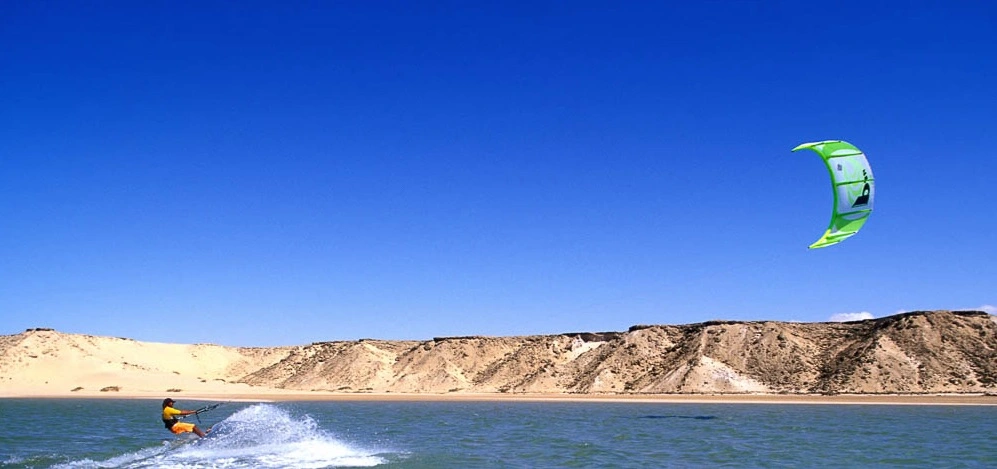
If one place in Morocco earns the word “unique” without exaggeration, it is Dakhla. Picture a peninsula extending 40 kilometers into the Atlantic, sheltering a vast lagoon of flat, turquoise water, surrounded on every side by Saharan dunes. That is not marketing copy — that is what you actually see when you arrive.
The World Capital of Kite and Wind Sports
What makes Dakhla extraordinary for kitesurfers and windsurfers is the convergence of three factors that rarely coincide: consistent wind blowing over 300 days per year at 20 to 25 knots, near-flat water in the lagoon (ideal for beginners and freestyle), and proper Atlantic waves on the ocean side for advanced riders.
The city hosts an annual stop of the GKA Kite-Surf World Cup — the fifteenth edition took place in October 2025. Professional athletes return to Dakhla year after year because the conditions are simply unmatched. The best months for kitesurfing are April through October, with wind probability exceeding 90% in July and August. But even winter offers rideable days more often than not.
Dakhla Beyond the Lagoon
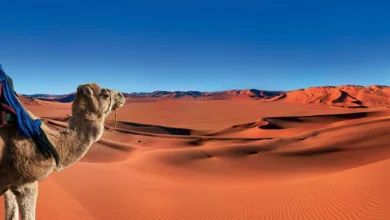
Dakhla is not exclusively for athletes. Dragon Island, rising from the middle of the lagoon, offers panoramic views of the surrounding dunes. The White Dune — which transforms into an island at high tide — is a habitat for pink flamingos and grey herons. The oyster farms are open for visits and tastings, feet in the water. And for those wanting a desert-meets-ocean experience, a night in a bivouac camp among the dunes — camel ride at sunset, waking to the sound of the Atlantic — is something you simply will not find anywhere else on earth.
Read also: Sahara Desert Morocco: The 2026 Guide to Dunes, Camps & Everything In Between
North Morocco Beaches: Al Hoceima, Saïdia, and Mediterranean Coves
If you prefer warm water and gentle waves over Atlantic adrenaline, Morocco’s northern Mediterranean coast offers an entirely different experience.
Al Hoceima: The Mediterranean Pearl
Al Hoceima sits where the Rif Mountains drop directly into the sea, creating a coastal landscape that has no equivalent on the Atlantic side. Beaches like Quemado and Sfiha offer clear turquoise water within a protected natural environment.
What truly distinguishes Al Hoceima is what lies beneath the surface. The national marine park protects remarkable biodiversity, and diving in Morocco here offers underwater visibility reaching 30 meters in good conditions — octopus, barracuda, grouper, and coral formations. After diving, do not miss the charcoal-grilled sardines at the small waterfront restaurants.
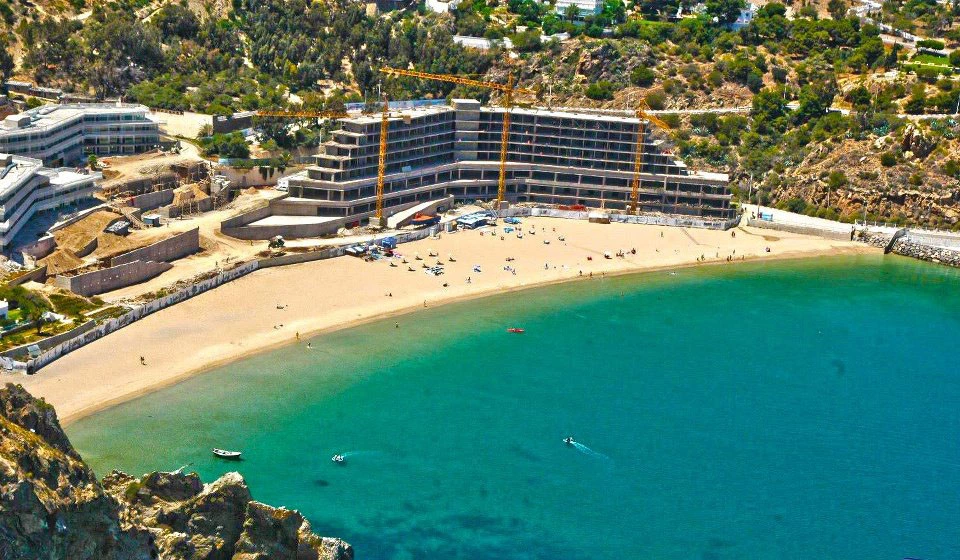
Saïdia: 14 Kilometers of Blue Flag Sand
Saïdia, at the far eastern end of the Mediterranean coast, holds Morocco’s longest beach — 14 kilometers of fine sand that has earned the Blue Flag certification. The town has a modern marina and a range of resorts, making it an ideal choice for families looking for developed infrastructure and shallow, safe water for children.
My recommendation: rent a boat or board a catamaran to explore the small islands around Saïdia — it reveals the coastline from a completely different angle.
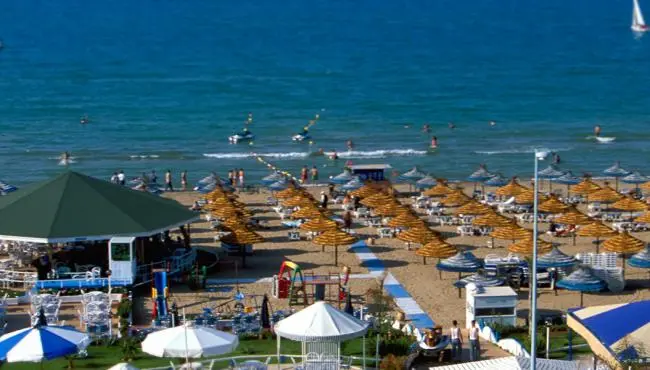
Tamuda Bay and Tangier: Mediterranean Luxury
Between Tangier and Tetouan, Tamuda Bay has emerged as a Mediterranean luxury hub, home to international resort brands like Banyan Tree and St. Regis. Near Tangier, Achakar Beach offers views across the Strait of Gibraltar — the point where the Atlantic meets the Mediterranean — with the Caves of Hercules a short visit away.
Scuba Diving Morocco: What Lies Beneath
Scuba diving in Morocco is still a developing sector compared to surfing, and that is precisely what makes it exciting — you are exploring sites that have not been overrun by tourism.
In northern Morocco near Tangier, Scubamar — the only PADI 5-Star center in the country — runs dives in the Strait of Gibraltar where Atlantic and Mediterranean currents collide, creating exceptional biodiversity. Dolphins, reef formations, and a unique underwater experience: being in Moroccan waters while looking up at the Spanish coast and the Rock of Gibraltar.
Dalia Beach near Tangier ranks among the finest Mediterranean snorkeling spots in Morocco, with crystal-clear water. The village of Belyounech, tucked beneath Mount Musa — known locally as “the Sleeping Woman” — offers transparent waters where even surface snorkelers can observe marine forests and diverse fish species.
Further south, Agadir’s rocky underwater formations provide encounters with rays, octopus, and moray eels.
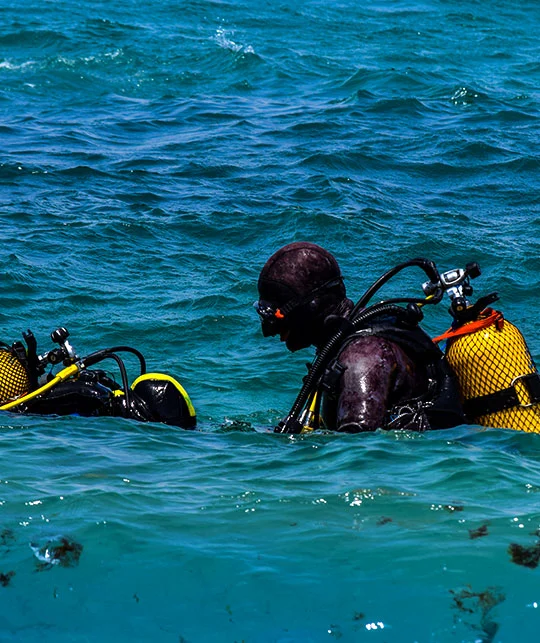
Agadir Beach: Morocco’s Premier Coastal Resort City
Agadir is Morocco’s most recognized beach city, and for good reason. Its beach stretches over 10 kilometers of golden sand, lined with restaurants, cafés, water-sport operators, and horseback riding outfits — all under a sun that shines over 300 days a year.
What many visitors do not realize is that Agadir works best as a base camp. Rent a four-wheel-drive vehicle and you can cover Taghazout, Tamraght, Imsouane, and Mirleft in a matter of days, returning to Agadir each evening if comfort matters. This kind of coastal road trip is what experienced Morocco travelers consistently recommend.
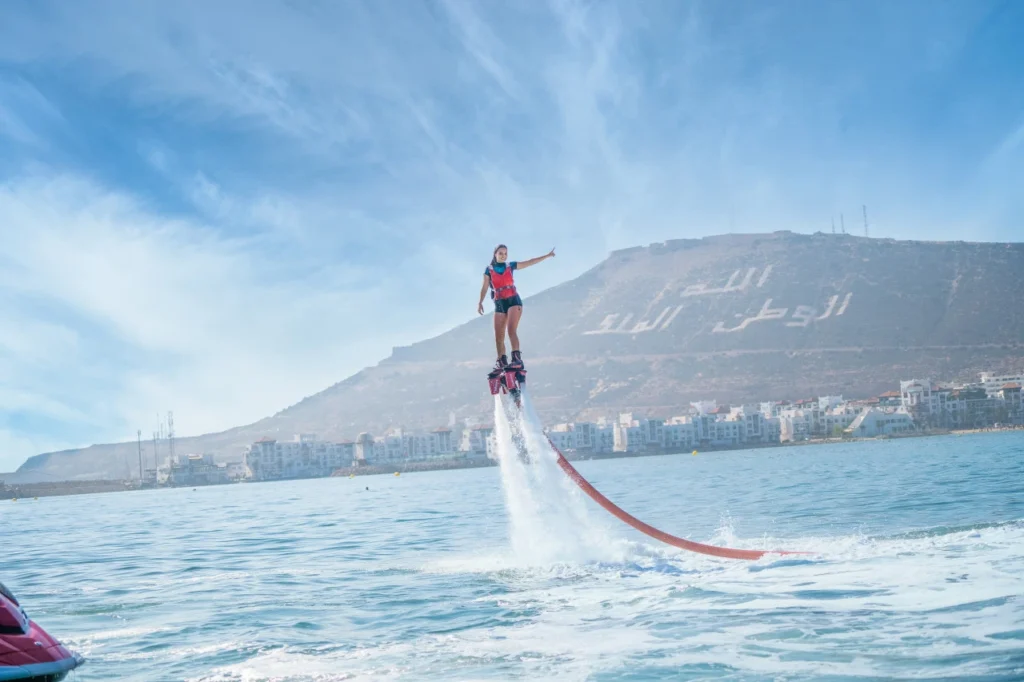
Morocco’s Best-Kept Beach Towns: Mirleft, Safi, and Legzira
Beyond the major coastal stops, Morocco’s Atlantic shore holds gems that deserve attention.
Mirleft: A small coastal village south of Agadir where red cliffs meet the ocean. At least five surf breaks surround the village, catering to different skill levels. For something different, the surrounding cliffs provide excellent conditions for paragliding.
Safi: A coastal city with some of the best waves in the country, according to former champion Saad Abid, and far less crowded than Taghazout. If uncrowded surf is what you are after, Safi is worth serious consideration.
Legzira: Near Sidi Ifni, famous for its dramatic red rock arches carved by waves and wind — a natural spectacle that makes it one of the most photographed beaches in Africa. Lonely Planet describes it as Morocco’s most scenic beach.
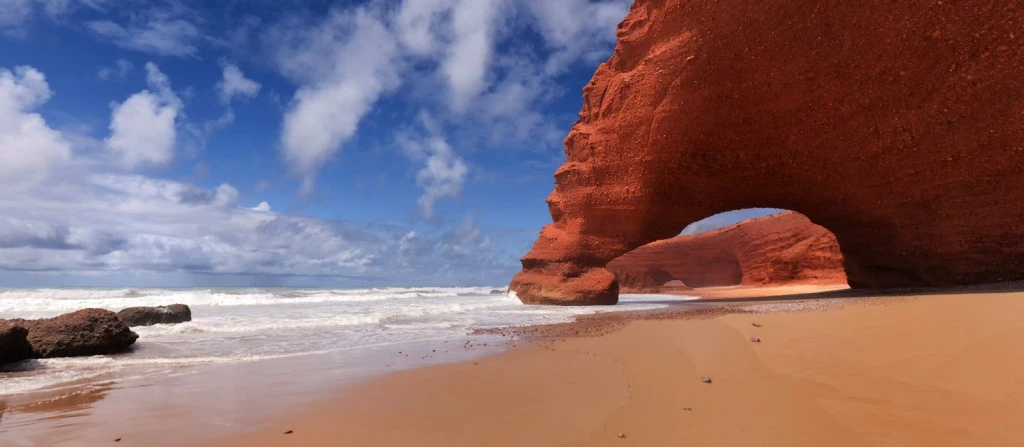
Oualidia: Oysters and a Quiet Lagoon
Between El Jadida and Safi, the small town of Oualidia sits on a calm lagoon shielded from Atlantic swells by red cliffs. This is not a surf destination — it is for those seeking stillness and refined taste. Oualidia is Morocco’s oyster capital, with farms lining the lagoon shore where you can taste them fresh with a squeeze of lemon, feet touching the water.
One traveler shared on Reddit: “I bought fresh oysters from a local fisherman on the beach at Oualidia — an unforgettable experience, and the best seafood in Morocco.”
The lagoon also offers excellent conditions for safe swimming and kayaking, making it well-suited for families looking for an alternative to the powerful Atlantic surf.
Best Beach Resorts in Morocco
For travelers seeking a luxury beach resort experience, Morocco offers options that compete with any destination worldwide.
Fairmont Taghazout Bay
Winner of the Best Beach Resort in Morocco at the World Travel Awards for three consecutive years through 2025. The architecture draws from Amazigh culture, the spa is world-class, and integrated yoga and surf programs are standard. Its location in Taghazout Bay puts it within reach of the country’s finest surf breaks.
Mazagan Beach & Golf Resort
Spread across 250 hectares near El Jadida, with a private 7-kilometer beach and a Gary Player-designed golf course. Winner of Morocco’s Best Family Resort 2025, it offers dedicated kids’ and teens’ clubs and year-round activities. It is the top choice for travelers seeking a complete entertainment package combining beach, golf, and leisure.
Sofitel Agadir Royal Bay
A blend of French hospitality tradition and Moroccan design, with a seafront position in the heart of Agadir Bay. Ideal for those who want resort luxury without sacrificing access to a vibrant city.
Morocco Beach Quality: Blue Flag Certification and Safety Standards
When searching for clean, safe beaches in Morocco, look for the Blue Flag label. In 2025, Morocco earned 33 certifications — 28 beaches, 4 recreational marinas, and one mountain lake — placing it 21st globally among 50 countries, first in the Arab world, and second in Africa.
Certified beaches include Bouznika, Essaouira, Sidi Ifni, Tangier’s Sol Beach, and Foum El Oued. The certification requires ongoing monitoring of water quality, swimmer safety, and environmental cleanliness.
The Mohammed VI Foundation for Environmental Protection oversees the “Clean Beaches” program, mobilizing over 66 local communities and 100 environmental associations, alongside the #B7arBlaPlastic campaign against plastic pollution — efforts also championed by activists like Saad Abid, whose Bahri association has organized over 68 beach cleanups since 2010.
Best Time to Visit Morocco Beaches: The Complete Seasonal Calendar
Choosing when to visit depends entirely on what you are looking for:
October – March: Peak surf season. Atlantic storms generate powerful, consistent swells at Taghazout, Imsouane, Safi, and Sidi Ifni. This window favors intermediate and advanced surfers. Air temperatures are comfortable (18–22°C), but the water is cold and demands a 4/3mm wetsuit.
April – June: Wind season begins. Kitesurfing fires up in Dakhla and Essaouira. Atlantic waves calm down, making conditions more suitable for beginners. Beach resorts in El Jadida and Saïdia open for the season.
July – September: Peak summer. Mediterranean waters are at their best — warm, clear, and ideal for family swimming, snorkeling in Al Hoceima, Belyounech, and Saïdia. On the Atlantic side, smaller waves and warmer water make this the best period for learning to surf in Taghazout.
A word of warning: July and August are peak local holiday months. Beaches like Martil and Agadir get very crowded. If you prefer calm, aim for September or early October.
October – December: An excellent transition period. Swells start building again, wind eases in Essaouira, and crowds thin out. Ideal for yoga retreats and intermediate surfing in Tamraght and Taghazout.
Practical Travel Tips for Morocco’s Coast
Getting around: Renting a car is the smartest way to explore Morocco’s coastline, especially if you want to reach beaches beyond the cities. The coastal road between Essaouira and Agadir — passing through argan forests and dramatic scenery — is worth the drive alone. A four-wheel-drive is preferred but only necessary for accessing some of the more remote beaches.
Water and health: A consistent tip from every traveler who has visited: drink only bottled water. In rare cases, seawater may be polluted after heavy rains in certain areas — check local conditions before swimming.
Equipment: Surf and kitesurf rental shops are plentiful in Taghazout, Essaouira, and Dakhla at reasonable prices. If you are a professional, bringing your own gear remains preferable. Royal Air Maroc allows water-sport equipment (up to 23 kg) free of charge in addition to regular luggage.
Respecting local culture: Morocco is a Muslim country with conservative traditions. On the beach, standard swimwear is perfectly fine at resorts and tourist beaches. But when visiting small villages or local markets, modest clothing is appreciated and reflects respect for local customs.
Seafood: Do not leave Morocco without trying charcoal-grilled fish at the port in Essaouira or Imsouane, oysters in Oualidia, and grilled octopus in Dakhla. Moroccan coastal cuisine is simple but built on absolute freshness — and that is the whole secret.
Frequently Asked Questions About Morocco Beaches
Is Morocco a good beach destination?
Absolutely. Morocco offers over 3,500 kilometers of coastline split between the Atlantic Ocean and the Mediterranean Sea, with more than 300 days of sunshine per year and 28 Blue Flag-certified beaches as of 2025. Whether you are after luxury coastal resorts, world-class surf, or quiet fishing villages, Morocco’s coast delivers.
What are the best beach towns in Morocco?
The top picks depend on what you are looking for: Agadir for year-round sun and family-friendly facilities, Taghazout for surfing and yoga, Essaouira for kitesurfing and cultural depth, Dakhla for wind sports and desert-ocean landscapes, Al Hoceima for Mediterranean swimming and snorkeling, and Saïdia for a long sandy beach with developed infrastructure.
What is the best time to visit Morocco for surfing?
The peak surf season runs from October to March, when Atlantic storms deliver powerful, consistent swells to spots like Taghazout, Imsouane, and Safi. Beginners are better off visiting between May and September, when the waves are smaller and the water warmer. Surfing in Morocco is possible year-round.
When is the best kitesurfing season in Dakhla and Essaouira?
Dakhla has wind all year, but the strongest and most reliable conditions fall between April and October, with wind probability exceeding 90% in July and August. In Essaouira, the Alizé trade winds blow hardest from April through October. Both destinations offer kitesurfing lessons for beginners.
Can you go scuba diving and snorkeling in Morocco?
Yes. The best diving sites are concentrated in northern Morocco — Tangier (home to Scubamar, the country’s only PADI 5-Star center), Dalia Beach, Belyounech, and Al Hoceima. The Mediterranean waters offer excellent underwater visibility and rich biodiversity. Snorkeling is possible without full gear in the sheltered northern coves.
Are Morocco beaches safe for families?
Mediterranean beaches like Saïdia, Al Hoceima, and Martil are the most family-friendly thanks to their calm, warm water. On the Atlantic side, Agadir beach and the Oualidia lagoon offer safe swimming conditions. Look for Blue Flag-certified beaches, which guarantee water quality and safety standards.
What are the best beach resorts in Morocco?
The top-rated coastal resorts include Fairmont Taghazout Bay (Best Beach Resort — World Travel Awards 2025), Mazagan Beach & Golf Resort near El Jadida (Best Family Resort 2025), and Sofitel Agadir Royal Bay. Each offers a distinct experience blending luxury with Moroccan identity.
How do I get around Morocco’s coast?
Renting a car is the best option, especially for reaching beaches beyond the main cities. Coastal roads are generally in good condition. A four-wheel-drive helps on some dirt tracks but is not essential for most routes. Royal Air Maroc transports water-sport equipment free of charge up to 23 kg in addition to regular luggage.
Morocco is called “the land of the setting sun” — Al Maghrib, the place where the sun dips into the Atlantic. Along its coastline, from the Mediterranean north to the Atlantic deep south, that name comes alive every evening as the sky burns in shades of orange and crimson you will not see anywhere else. If you are looking for a beach destination that combines sport, culture, real relaxation, exceptional food, and scenery that stays with you long after you leave — the answer is 3,500 kilometers of coast, waiting.
Read also: